Plant-Based Protein for Muscle: Data-Backed US Diets 2026
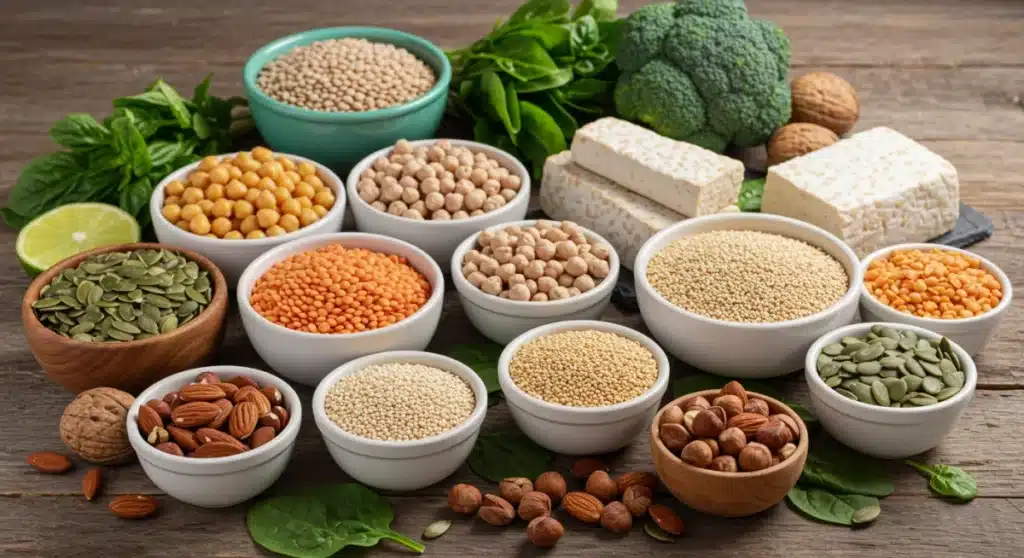
In the dynamic landscape of health and wellness, the conversation around protein has evolved significantly. Once dominated by animal-centric narratives, the spotlight has increasingly shifted towards the powerful potential of plant-based protein for muscle synthesis. For individuals in the United States, navigating dietary choices in 2026 demands a nuanced understanding of how plant-derived nutrients can effectively support muscle growth, repair, and overall athletic performance. This comprehensive guide delves into the data-backed evidence, comparing various plant-based protein sources for muscle synthesis and offering practical insights for optimizing US diets.
The transition towards plant-forward eating is no longer a niche trend but a widespread movement driven by health consciousness, ethical considerations, and environmental sustainability. However, a persistent misconception often clouds the discussion: whether plant proteins can truly rival animal proteins in their capacity to build and maintain muscle mass. This article aims to debunk myths, present scientific findings, and equip you with the knowledge to harness the full anabolic potential of plants.
Our focus will be on understanding the critical factors that influence muscle protein synthesis (MPS), such as amino acid profiles, digestibility, and optimal timing. We will meticulously examine popular plant-based sources, from legumes and grains to nuts, seeds, and specialized protein powders, providing a data-driven comparison relevant to the typical US diet. By the end of this read, you will be empowered to make informed choices, ensuring your plant-based diet effectively supports your muscle-building aspirations.
Understanding Muscle Protein Synthesis (MPS) in a Plant-Based Context
Before we dive into specific sources, it’s crucial to grasp the fundamentals of muscle protein synthesis (MPS). MPS is the metabolic process by which new muscle proteins are generated, repairing exercise-induced damage and leading to muscle growth (hypertrophy). This process is primarily stimulated by resistance training and adequate protein intake, particularly the consumption of essential amino acids (EAAs).
The Role of Essential Amino Acids (EAAs)
Amino acids are the building blocks of protein. Of the 20 amino acids, nine are considered essential (EAAs) because the body cannot produce them and must obtain them through diet. Leucine, isoleucine, and valine, collectively known as branched-chain amino acids (BCAAs), are particularly important for triggering MPS. Leucine, in particular, acts as a potent signaling molecule, initiating the anabolic cascade.
Traditionally, animal proteins have been lauded as "complete proteins" because they contain all nine EAAs in sufficient quantities. Plant proteins, on the other hand, are often labeled "incomplete" because many individual sources may be lower in one or more EAAs. However, this distinction is often oversimplified. Research in 2026 increasingly emphasizes that by consuming a variety of plant proteins throughout the day, vegans and vegetarians can easily meet their EAA requirements and achieve optimal MPS.
Digestibility and Bioavailability
Beyond the amino acid profile, the digestibility and bioavailability of protein are critical. Digestibility refers to how well the body can break down and absorb the protein. Plant proteins sometimes have lower digestibility due to the presence of fiber and anti-nutrients (like phytates and tannins). However, processing methods (e.g., cooking, sprouting, fermentation) and strategic food combinations can significantly enhance their bioavailability. Protein Digestibility Corrected Amino Acid Score (PDCAAS) and Digestible Indispensable Amino Acid Score (DIAAS) are metrics used to assess protein quality, and while animal proteins often score higher, many plant proteins, especially soy and pea protein isolates, demonstrate excellent scores.
Key Plant-Based Protein Sources for Muscle Synthesis
1. Soy Protein: The Gold Standard for Plant-Based Muscle
Soy protein stands out as one of the most complete and effective plant-based protein sources for muscle synthesis. Derived from soybeans, it boasts a comprehensive amino acid profile, including high levels of leucine, comparable to whey protein in many respects. Studies consistently show that soy protein can stimulate MPS just as effectively as animal protein, especially when consumed in adequate amounts post-exercise.
- Tofu and Tempeh: These fermented and unfermented soy products are versatile and nutrient-dense. A 100-gram serving of firm tofu provides approximately 10-15 grams of protein, while tempeh offers even more, around 19 grams. They are excellent for savory dishes.
- Edamame: Young soybeans, often served in the pod, are a delightful snack. A cup of shelled edamame contains about 18 grams of protein.
- Soy Milk and Soy Protein Isolate: Fortified soy milk can be a good protein source, and soy protein isolate powders are highly concentrated, offering 20-25 grams of protein per scoop with minimal fat and carbohydrates. This makes them ideal for post-workout shakes.
Concerns about phytoestrogens in soy have largely been debunked by scientific consensus, which indicates that moderate soy consumption is safe and even beneficial for most individuals, including men looking to build muscle.
2. Pea Protein: A Rising Star in Plant-Based Nutrition
Extracted from yellow split peas, pea protein has rapidly gained popularity, particularly in protein powders and meat alternatives. It’s a complete protein with a good amino acid profile, especially rich in BCAAs, making it an excellent choice for muscle builders. Its digestibility is also very high, and it’s hypoallergenic, making it suitable for those with soy or dairy sensitivities.
- Pea Protein Powder: This is the most common form, offering 20-25 grams of protein per serving. It blends well into smoothies and shakes.
- Legumes (Peas, Lentils, Chickpeas): While not as concentrated as the isolate, whole legumes are foundational to a plant-based diet. A cup of cooked lentils provides about 18 grams of protein, chickpeas around 15 grams, and green peas about 8 grams. They also offer fiber, vitamins, and minerals.
3. Grains and Pseudocereals: More Than Just Carbs
While often associated with carbohydrates, several grains and pseudocereals are significant sources of plant-based protein for muscle development. When combined, they can form complete protein meals.
- Quinoa: Often hailed as a "complete protein," quinoa contains all nine EAAs. A cup of cooked quinoa offers approximately 8 grams of protein, alongside fiber and micronutrients.
- Buckwheat: Another pseudocereal, buckwheat is also a complete protein, providing around 6 grams of protein per cooked cup.
- Brown Rice: While lower in lysine, brown rice contributes significantly to overall protein intake, especially when combined with legumes. Brown rice protein powder is also available, often blended with pea protein to create a more complete profile.
- Oats: A staple for breakfast, a half-cup dry serving of oats contains about 5-6 grams of protein. Pairing oats with nuts, seeds, or soy milk enhances their protein quality.

4. Nuts and Seeds: Powerhouses of Protein and Healthy Fats
Nuts and seeds are calorie-dense and pack a substantial protein punch, along with healthy fats, fiber, and various micronutrients. They are excellent for snacks, toppings, or blended into nut butters.
- Hemp Seeds: Exceptionally nutritious, hemp seeds are a complete protein, offering about 10 grams per three tablespoons. They are also rich in omega-3 fatty acids.
- Chia Seeds: Small but mighty, chia seeds provide around 5 grams of protein per two tablespoons and are also a great source of fiber and omega-3s.
- Almonds: A handful of almonds (about 23 nuts) contains 6 grams of protein.
- Peanuts and Peanut Butter: Peanuts are technically legumes but are nutritionally similar to nuts. Two tablespoons of peanut butter offer around 7-8 grams of protein.
- Walnuts and Cashews: While slightly lower in protein than almonds or peanuts, walnuts and cashews still contribute valuable protein and healthy fats to the diet.
5. Other Notable Plant-Based Proteins
- Seitan: Made from wheat gluten, seitan is incredibly high in protein, often exceeding 20 grams per 100-gram serving. It has a meat-like texture, making it popular in vegan cooking, but it is not suitable for those with gluten sensitivities.
- Spirulina: This blue-green algae is a complete protein and incredibly nutrient-dense. A tablespoon of spirulina powder contains about 4 grams of protein, along with a wealth of vitamins and minerals.
- Nutritional Yeast: A deactivated yeast, nutritional yeast has a cheesy flavor and is a complete protein, providing about 8 grams per two tablespoons. It’s also fortified with B vitamins.
Data-Backed Comparison for US Diets (2026 Projections)
As we look towards 2026, dietary trends in the US continue to emphasize not just the quantity but also the quality and sustainability of protein sources. The data increasingly supports the efficacy of plant-based protein for muscle development, provided certain principles are followed.
Amino Acid Profiles and Complementary Proteins
While soy and pea proteins are often highlighted for their completeness, the concept of "complementary proteins" remains vital for a diverse plant-based diet. This involves combining different plant protein sources to ensure all EAAs are consumed throughout the day. For example:
- Legumes (low in methionine) + Grains (low in lysine): Think rice and beans, hummus and pita, or lentil soup with whole-grain bread. This classic combination provides a complete amino acid profile.
- Nuts/Seeds + Legumes: A salad with chickpeas and sunflower seeds, or a lentil stew garnished with chopped almonds.
It’s important to note that complementary proteins do not necessarily need to be consumed in the same meal. The body maintains an amino acid pool, so consuming a variety of plant proteins throughout the day is sufficient to meet EAA requirements for MPS.
Protein Timing and Dosing
For optimal MPS, especially for active individuals, protein timing and dosing are crucial. Research suggests that distributing protein intake evenly throughout the day, aiming for 20-40 grams per meal, is more effective than consuming large amounts in one sitting. For plant-based athletes, a common recommendation is to aim for 1.6-2.2 grams of protein per kilogram of body weight per day.
Post-exercise, consuming a rapidly digestible protein source rich in leucine (like soy or pea protein powder) can be particularly beneficial for initiating muscle repair and growth. However, whole food sources consumed within a few hours of training are also highly effective.
Optimizing Your Plant-Based Muscle Diet in 2026
To effectively build muscle on a plant-based diet in the US in 2026, consider these actionable strategies:
1. Prioritize Whole, Unprocessed Plant Proteins
While supplements have their place, the foundation of your diet should be whole foods. Incorporate a wide variety of legumes (beans, lentils, chickpeas), whole grains (quinoa, brown rice, oats), nuts, and seeds into your daily meals. These foods not only provide protein but also essential fiber, vitamins, minerals, and antioxidants crucial for overall health and recovery.
2. Strategically Use Plant Protein Powders
For convenience, especially around workouts, plant protein powders like soy, pea, or a blend of rice and pea can be invaluable. They offer a concentrated dose of protein without excessive calories or fats, making it easier to hit your daily protein targets. Look for powders with minimal added sugars and artificial ingredients.
3. Focus on Leucine Content
Pay attention to sources rich in leucine, such as soy, pea protein, and lentils. While you don’t need to obsess over individual amino acids in every meal, ensuring a consistent intake of leucine-rich foods will help maximize MPS.
4. Ensure Adequate Caloric Intake
Muscle growth requires a caloric surplus. Plant-based foods tend to be less calorie-dense than animal products, so ensure you are consuming enough calories to fuel your workouts and support muscle repair. Healthy fats from avocados, nuts, seeds, and olive oil can help increase caloric density.
5. Don’t Forget Micronutrients
A well-planned plant-based diet automatically provides many essential micronutrients. However, pay attention to potential deficiencies common in any diet, such as Vitamin B12 (which requires supplementation for vegans), Vitamin D, Iron, Zinc, and Iodine. Many plant-based foods are fortified, and strategic food choices (e.g., dark leafy greens for iron, pumpkin seeds for zinc) can help.
6. Hydration and Recovery
Adequate hydration is critical for all bodily functions, including muscle repair and nutrient transport. Similarly, prioritize sufficient sleep and active recovery to allow your muscles to rebuild and grow stronger.
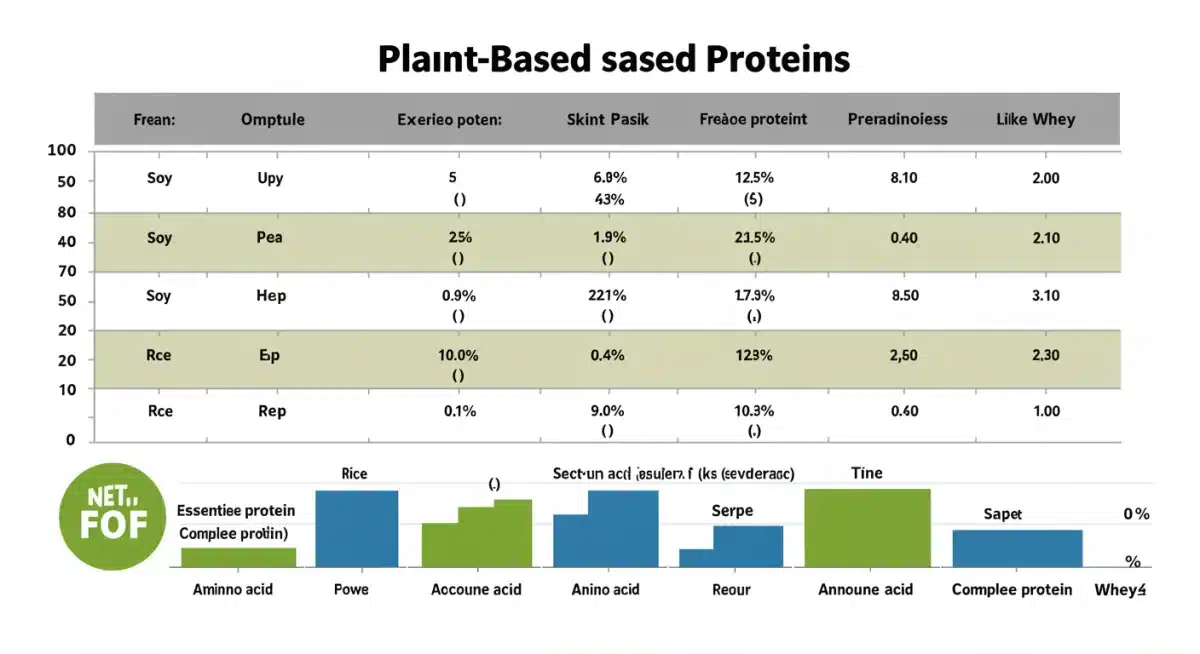
Addressing Common Concerns and Misconceptions
"Plant Proteins are Incomplete"
As discussed, this is a pervasive misconception. While individual plant foods may be limiting in one or two EAAs, a varied plant-based diet easily provides all necessary amino acids. The body is highly efficient at combining amino acids from different sources consumed throughout the day. Focusing on a diverse intake of legumes, grains, nuts, and seeds effectively addresses this concern.
"You Can’t Get Enough Protein"
With careful planning, it is entirely possible to meet and even exceed protein requirements on a plant-based diet, even for elite athletes. The key is to be intentional about incorporating high-protein plant foods into every meal and snack. The abundance of protein in soy products, pea protein, lentils, beans, and even fortified plant milks makes this very achievable.
"Plant Proteins are Less Bioavailable"
While some plant proteins do have lower digestibility than animal proteins due to fiber and anti-nutrients, cooking, soaking, sprouting, and fermenting can significantly improve their bioavailability. Moreover, plant protein isolates (like soy and pea protein powder) are processed to remove anti-nutrients and boast digestibility scores comparable to animal proteins.
The Future of Plant-Based Muscle Building in the US
Looking ahead to 2026 and beyond, the landscape for plant-based protein for muscle synthesis in the US is incredibly promising. Innovations in food science are continually producing new and improved plant-based protein products, from more palatable meat alternatives to highly bioavailable protein powders. Research continues to refine our understanding of plant protein efficacy, confirming that a well-planned plant-based diet can fully support muscle building and athletic performance. The increasing availability of diverse plant-based options in supermarkets and restaurants further simplifies the adoption of this lifestyle.
The environmental and ethical benefits of choosing plant proteins are also becoming increasingly important drivers for consumers. As awareness grows, more individuals are seeking ways to align their dietary choices with their values without compromising their fitness goals. This convergence of health, performance, and sustainability positions plant-based protein at the forefront of future dietary trends.
Conclusion: Building Muscle, Sustainably and Effectively
The journey to building muscle on a plant-based diet is not only viable but can be highly effective, as demonstrated by a growing body of scientific evidence and the success of numerous plant-based athletes. By understanding the principles of muscle protein synthesis, prioritizing diverse and high-quality plant protein sources, and paying attention to overall nutritional needs, individuals in the US can confidently achieve their muscle-building goals in 2026 and beyond.
Embrace the power of plants. From the complete amino acid profiles of soy and pea protein to the complementary synergy of legumes and grains, the plant kingdom offers a rich and varied arsenal for muscle growth. With strategic planning, consistent effort, and informed choices, you can build a strong, resilient physique while contributing to a healthier planet. The future of muscle synthesis is undoubtedly plant-forward.