Low-Carb Dinner Recipes: Reduce Sugar Intake by 20% in One Week
In a world increasingly saturated with processed foods and hidden sugars, taking control of our dietary habits has become more crucial than ever. Many of us are aware of the detrimental effects of excessive sugar consumption, from weight gain and energy crashes to an increased risk of chronic diseases. But knowing is one thing; implementing change is another. This comprehensive guide is designed to empower you with practical, delicious, and easy-to-follow low-carb dinner recipes that will help you significantly reduce your sugar intake, aiming for a remarkable 20% reduction in just one week. Yes, you read that right – a tangible, impactful change in a short amount of time, all starting with your evening meal.
The journey to a healthier, lower-sugar lifestyle doesn’t have to be arduous or bland. In fact, it can be incredibly flavorful and satisfying. We’ve curated a selection of six diverse low-carb dinner recipes that are not only simple to prepare but also packed with nutrients and taste. These recipes focus on whole, unprocessed ingredients, emphasizing lean proteins, healthy fats, and an abundance of non-starchy vegetables. By making conscious choices at dinner, you’ll naturally start to crowd out the sugary components that often sneak into our diets, leading to a ripple effect of positive health outcomes.
So, why focus on dinner? For many, dinner is the largest meal of the day, and often where we consume the most carbohydrates and, consequently, sugars. By optimizing this meal, we can create a significant impact on our daily sugar consumption. Furthermore, a low-carb dinner can contribute to better sleep quality, more stable blood sugar levels overnight, and sustained energy the following day. This isn’t just about cutting calories; it’s about making smarter, more informed food choices that nourish your body and support long-term well-being. Let’s dive into the delicious world of low-carb dining and begin your journey to a healthier, lower-sugar you!
Understanding the ‘Why’ Behind Low-Carb and Sugar Reduction
Before we jump into the mouth-watering low-carb dinner recipes, it’s essential to understand the fundamental principles behind a low-carb, low-sugar approach. Our bodies primarily use carbohydrates for energy, breaking them down into glucose (sugar). When we consume an excess of carbohydrates, especially refined ones and added sugars, our blood sugar levels spike. The pancreas then releases insulin to bring these levels down, storing the excess glucose as glycogen or, if reserves are full, as fat.
The Sugar Problem: More Than Just Calories
The average Western diet is alarmingly high in added sugars, found not only in obvious culprits like sodas and desserts but also in seemingly ‘healthy’ foods like yogurt, breakfast cereals, and even savory sauces. This constant influx of sugar can lead to:
- Insulin Resistance: Over time, cells can become less responsive to insulin, leading to higher blood sugar levels and increasing the risk of Type 2 Diabetes.
- Weight Gain: Excess sugar is readily converted to fat, particularly around the abdomen.
- Energy Crashes: The rapid spikes and drops in blood sugar can leave you feeling fatigued and sluggish.
- Inflammation: High sugar intake is linked to chronic inflammation, a root cause of many diseases.
- Cravings: Sugar can be highly addictive, perpetuating a cycle of cravings and overconsumption.
The Low-Carb Solution: Stabilizing Blood Sugar and Boosting Health
A low-carb diet, by definition, restricts the intake of carbohydrates, replacing them with healthy fats and proteins. This approach has several compelling benefits:
- Blood Sugar Control: By limiting carbohydrates, you prevent the dramatic spikes in blood sugar, leading to more stable energy levels and better insulin sensitivity. This is a cornerstone for anyone looking to reduce sugar intake effectively.
- Weight Management: Many find that a low-carb diet naturally leads to reduced appetite and sustainable weight loss.
- Increased Satiety: Proteins and fats are more satiating than carbohydrates, keeping you feeling fuller for longer and reducing the urge to snack.
- Improved Mental Clarity: Stable blood sugar can lead to better cognitive function and reduced brain fog.
- Reduced Cravings: As your body adapts to using fat for fuel, sugar cravings often diminish significantly.
Our goal with these low-carb dinner recipes is not to eliminate all carbohydrates, but to choose wisely, opting for nutrient-dense, fiber-rich options over refined grains and sugary components. This balanced approach makes the transition manageable and enjoyable, ensuring you can stick to your goal of a 20% sugar reduction in a week.
Setting the Stage: Your One-Week Sugar Reduction Plan
Achieving a 20% sugar reduction in one week is an ambitious yet entirely achievable goal with the right strategy. Our focus on low-carb dinner recipes is a powerful starting point, but here are some additional tips to maximize your success:
- Read Labels Diligently: Sugar hides under many names (high-fructose corn syrup, dextrose, maltose, etc.). Become a label detective!
- Hydrate with Water: Often, thirst is mistaken for hunger or a craving for something sweet. Keep a water bottle handy.
- Eliminate Sugary Drinks: Sodas, fruit juices (even 100% juice), and sweetened teas are major sources of hidden sugar. Opt for water, unsweetened tea, or coffee.
- Be Mindful of Breakfast and Lunch: While our focus is dinner, try to make healthier choices throughout the day. Opt for protein-rich breakfasts and lunches with plenty of vegetables.
- Plan Ahead: Meal prepping or at least planning your dinners in advance will prevent last-minute, high-sugar take-out decisions.
- Stock Your Pantry: Fill your kitchen with low-carb staples like fresh vegetables, lean meats, eggs, healthy oils, nuts, and seeds.
Remember, consistency is key. Even small, consistent changes can lead to significant results. By incorporating these low-carb dinner recipes and adopting these supporting habits, you’ll be well on your way to a healthier, lower-sugar lifestyle.
The 6 Game-Changing Low-Carb Dinner Recipes
Here are six delicious and easy-to-prepare low-carb dinner recipes designed to help you slash your sugar intake and feel fantastic. Each recipe serves 2-4 people, making them perfect for individuals or small families.
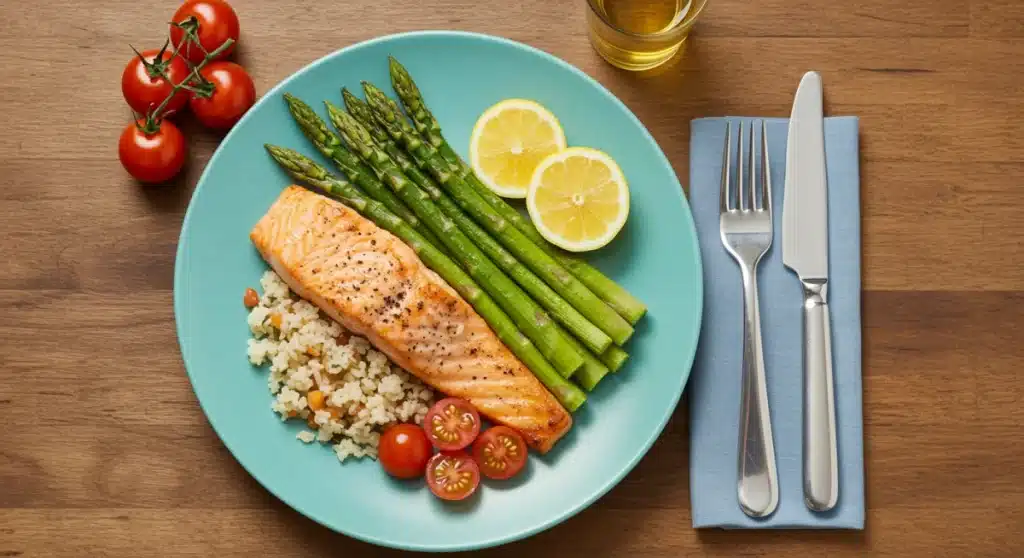
1. Zesty Lemon Herb Baked Salmon with Asparagus
This recipe is a powerhouse of omega-3s and lean protein, incredibly simple to prepare, and bursting with fresh flavors. It’s a perfect example of a satisfying low-carb meal.
Ingredients:
- 2 salmon fillets (about 6 oz each)
- 1 bunch asparagus, woody ends trimmed
- 2 tbsp olive oil
- 1 lemon, half sliced, half juiced
- 2 cloves garlic, minced
- 1 tsp dried dill or 2 tsp fresh dill, chopped
- Salt and black pepper to taste
Instructions:
- Preheat oven to 400°F (200°C). Line a baking sheet with parchment paper.
- Place salmon fillets on one side of the baking sheet. Drizzle with 1 tbsp olive oil, season with salt, pepper, and half of the minced garlic and dill. Top with lemon slices.
- Toss asparagus with the remaining 1 tbsp olive oil, garlic, dill, salt, and pepper. Arrange on the other side of the baking sheet.
- Bake for 12-15 minutes, or until salmon is cooked through and asparagus is tender-crisp.
- Squeeze fresh lemon juice over the salmon and asparagus before serving.
2. Creamy Garlic Butter Chicken with Spinach
Rich, flavorful, and incredibly comforting, this dish is a low-carb dream. The creamy sauce is made without any added sugar and pairs perfectly with tender chicken and wilted spinach.
Ingredients:
- 2 boneless, skinless chicken breasts, sliced horizontally to create 4 thinner cutlets
- 2 tbsp butter
- 1 tbsp olive oil
- 4 cloves garlic, minced
- 1/2 cup chicken broth
- 1/2 cup heavy cream
- 4 cups fresh spinach
- 1/4 cup grated Parmesan cheese (optional)
- Salt and black pepper to taste
- Fresh parsley, chopped, for garnish
Instructions:
- Season chicken cutlets with salt and pepper.
- Heat olive oil and 1 tbsp butter in a large skillet over medium-high heat. Cook chicken for 3-4 minutes per side, until golden brown and cooked through. Remove chicken from skillet and set aside.
- Add remaining 1 tbsp butter to the skillet. Sauté minced garlic for 1 minute until fragrant.
- Pour in chicken broth and scrape up any browned bits from the bottom of the pan. Bring to a simmer.
- Stir in heavy cream and bring to a gentle simmer. Cook for 2-3 minutes, until sauce thickens slightly.
- Add spinach to the skillet and cook until wilted, about 2-3 minutes.
- Return chicken to the skillet. Stir in Parmesan cheese if using. Garnish with fresh parsley and serve immediately.
3. Beef and Broccoli Stir-Fry (Sugar-Free)
A classic takeout favorite, reimagined without the hidden sugars. This version uses a homemade, low-carb sauce that’s just as delicious, if not more so!
Ingredients:
- 1 lb beef sirloin or flank steak, thinly sliced against the grain
- 1 tbsp sesame oil
- 1 head broccoli, cut into florets
- 1/2 red onion, thinly sliced
- 2 cloves garlic, minced
- 1-inch ginger, grated
For the Sugar-Free Sauce:
- 1/4 cup tamari or low-sodium soy sauce
- 2 tbsp rice vinegar
- 1 tbsp erythritol or other sugar substitute (optional, to taste)
- 1 tsp sesame oil
- 1/2 tsp xanthan gum (for thickening, optional)
Instructions:
- In a small bowl, whisk together all sauce ingredients. Set aside.
- Heat 1 tbsp sesame oil in a large skillet or wok over medium-high heat.
- Add sliced beef and stir-fry for 3-4 minutes until browned. Remove beef from the skillet and set aside.
- Add broccoli florets and red onion to the skillet. Stir-fry for 5-7 minutes until tender-crisp.
- Add minced garlic and grated ginger to the vegetables and stir-fry for 1 minute until fragrant.
- Return beef to the skillet. Pour in the prepared sugar-free sauce. Toss everything together until well coated and heated through. If using xanthan gum, the sauce will thicken quickly.
- Serve immediately. This is one of the most versatile low-carb dinner recipes you can make.

4. Loaded Cauliflower Mash with Bacon and Chives
A fantastic, creamy alternative to mashed potatoes, this dish is pure comfort food without the carb load. It’s incredibly satisfying and rich in flavor.
Ingredients:
- 1 large head cauliflower, cut into florets
- 2 tbsp butter
- 1/4 cup heavy cream or cream cheese
- 1/4 cup sour cream
- 1/2 cup shredded cheddar cheese
- 4 slices bacon, cooked and crumbled
- 2 tbsp fresh chives, chopped
- Salt and black pepper to taste
Instructions:
- Steam or boil cauliflower florets until very tender, about 10-15 minutes. Drain thoroughly.
- Transfer drained cauliflower to a large bowl. Add butter, heavy cream (or cream cheese), sour cream, salt, and pepper. Mash with a potato masher or use an immersion blender until smooth and creamy.
- Stir in half of the shredded cheddar cheese, half of the crumbled bacon, and half of the chopped chives.
- Serve hot, topped with the remaining cheddar cheese, bacon, and chives.
5. Chicken and Bell Pepper Skewers with Avocado Cream
These colorful skewers are perfect for grilling or baking, offering a lean protein source and plenty of vibrant vegetables. The avocado cream adds a luscious, healthy fat boost.
Ingredients:
- 1 lb boneless, skinless chicken breasts, cut into 1-inch cubes
- 1 red bell pepper, cut into 1-inch pieces
- 1 yellow bell pepper, cut into 1-inch pieces
- 1 zucchini, cut into 1-inch pieces
- 1 tbsp olive oil
- 1 tsp smoked paprika
- 1/2 tsp garlic powder
- Salt and black pepper to taste
For the Avocado Cream:
- 1 ripe avocado
- 2 tbsp sour cream or Greek yogurt (full fat)
- 1 tbsp lime juice
- 1/4 cup fresh cilantro, chopped
- Salt to taste
Instructions:
- If using wooden skewers, soak them in water for at least 30 minutes to prevent burning.
- In a large bowl, toss chicken cubes with olive oil, smoked paprika, garlic powder, salt, and pepper. Add bell pepper and zucchini pieces and toss to coat.
- Thread chicken and vegetables alternately onto the skewers.
- Grilling Method: Preheat grill to medium-high. Grill skewers for 4-6 minutes per side, turning occasionally, until chicken is cooked through and vegetables are tender-crisp.
- Baking Method: Preheat oven to 400°F (200°C). Arrange skewers on a baking sheet. Bake for 20-25 minutes, flipping halfway, until chicken is cooked through.
- Prepare Avocado Cream: In a small bowl, mash the avocado. Stir in sour cream (or yogurt), lime juice, cilantro, and salt until smooth and creamy.
- Serve skewers hot with a generous dollop of avocado cream. These skewers are fantastic low-carb dinner recipes for warmer evenings.
Maximizing Your Sugar Reduction: Beyond Dinner
While these low-carb dinner recipes are excellent tools for reducing your sugar intake, a holistic approach will yield the best results. Consider these additional areas:
Smart Snacking
Snacks can easily derail your progress if not chosen wisely. Opt for low-sugar, high-protein, or high-fat options like:
- Hard-boiled eggs
- A handful of nuts or seeds
- Cheese sticks
- Celery or bell pepper strips with guacamole or almond butter
- Plain Greek yogurt with a few berries (in moderation)
Breakfast Reboot
Many breakfast cereals, pastries, and even some yogurts are loaded with sugar. Start your day right with:
- Scrambled eggs with spinach and cheese
- Avocado toast on low-carb bread
- A protein shake with unsweetened almond milk
- Chia seed pudding (unsweetened)
Lunchtime Low-Carb
Pack your lunch to ensure you control the ingredients:
- Leftovers from your delicious low-carb dinners
- Large salads with lean protein (chicken, tuna, tofu) and a sugar-free dressing
- Lettuce wraps with ground meat or chicken salad
Mindful Indulgences
Completely cutting out sugar can be challenging and sometimes unsustainable. Instead, practice mindful indulgence:
- Choose dark chocolate (70% cocoa or higher) in small amounts.
- Opt for desserts sweetened with natural, low-carb alternatives like erythritol or stevia.
- Allow yourself a small, infrequent treat, but savor it and don’t let it derail your overall efforts.
By integrating these practices with your commitment to low-carb dinner recipes, you’ll create a powerful synergy that accelerates your sugar reduction goals and fosters a truly healthier lifestyle.
Tracking Your Progress and Sustaining the Change
To truly achieve and maintain that 20% sugar reduction in a week (and beyond!), tracking your progress can be incredibly motivating. You don’t need to count every single gram of sugar, but becoming aware of where sugar hides is crucial.
Simple Tracking Methods:
- Food Journal: Jot down what you eat for a few days, paying particular attention to added sugars. You might be surprised!
- App-Based Tracking: Many free apps allow you to log your meals and provide nutritional breakdowns, including sugar content.
- Focus on ‘No Added Sugar’: For one week, make a conscious effort to buy and consume only items with no added sugar. This alone can drastically reduce your intake.
Overcoming Challenges:
- Cravings: These are normal, especially in the first few days. Distract yourself, drink water, or reach for a healthy, low-carb snack.
- Social Situations: Don’t be afraid to politely decline sugary offerings or choose the low-carb options available.
- Plateau: If your progress slows, reassess your habits. Are hidden sugars creeping back in? Are you consistent with your low-carb dinner recipes?
Long-Term Sustainability:
The goal isn’t just a one-week sprint; it’s a marathon towards better health. Once you’ve experienced the benefits of reduced sugar intake and incorporated these delicious low-carb dinner recipes into your routine, you’ll likely find it easier to continue. Focus on how much better you feel, the increased energy, and the stable blood sugar levels. These intrinsic rewards are far more powerful than any fleeting sugary treat.
Remember that this is a journey. There will be days when you slip up, and that’s perfectly fine. The key is to acknowledge it, learn from it, and get right back on track with your next meal. Be kind to yourself, celebrate your successes, and continuously strive for progress, not perfection.
Conclusion: Your Path to a Lower-Sugar, Healthier You
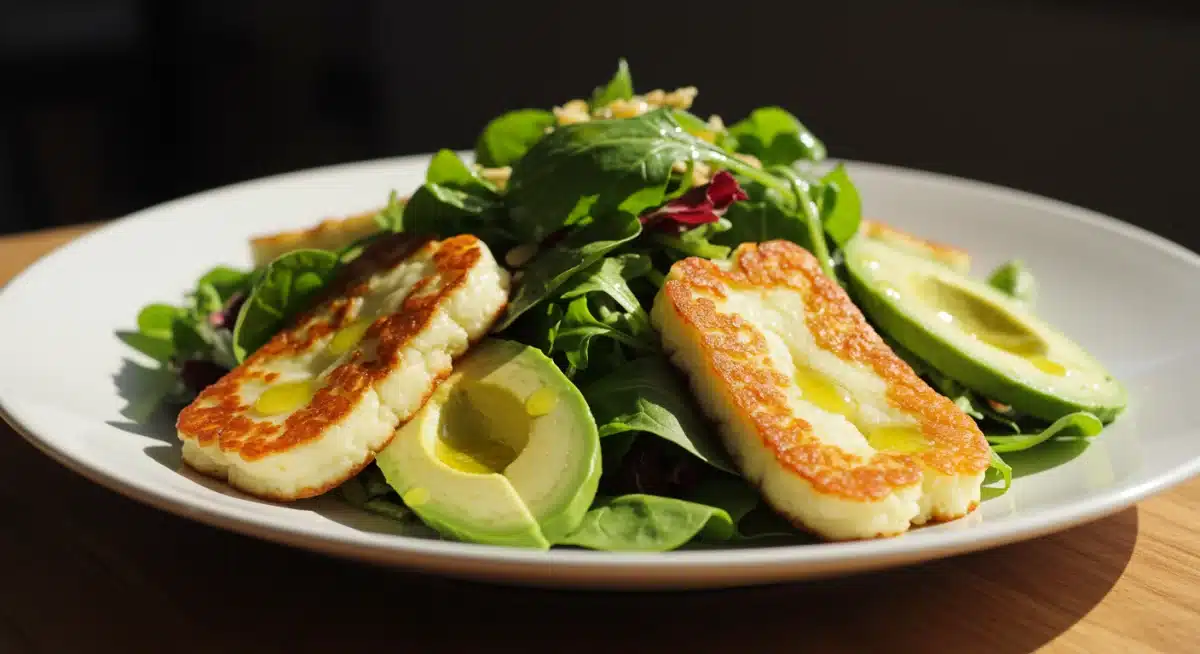
Embarking on a journey to reduce sugar intake might seem daunting at first, but with the right tools and a positive mindset, it’s an incredibly rewarding endeavor. Our collection of 6 practical and delicious low-carb dinner recipes provides you with a solid foundation to achieve a 20% reduction in your sugar consumption in just one week. From the zesty freshness of baked salmon to the comforting richness of creamy garlic butter chicken, and the vibrant appeal of a halloumi salad, these recipes prove that healthy eating can be both easy and incredibly satisfying.
By making conscious choices at dinner, you’re not just changing one meal; you’re setting a precedent for improved dietary habits throughout your day. You’re empowering yourself to break free from the cycle of sugar spikes and crashes, paving the way for stable energy, better mood, and a reduced risk of chronic health issues. This isn’t a restrictive diet; it’s a lifestyle upgrade, focusing on nutrient-dense, whole foods that truly nourish your body.
So, take the first step. Choose one of these low-carb dinner recipes tonight. Stock your kitchen with fresh ingredients, embrace the joy of cooking, and experience firsthand the transformative power of reducing sugar. Your body will thank you, and you’ll soon discover that a lower-sugar life is a richer, more energetic, and profoundly healthier one. Here’s to your success in achieving that 20% sugar reduction and beyond!