Plant-Based Meal Plan 2026: Save 10% Groceries
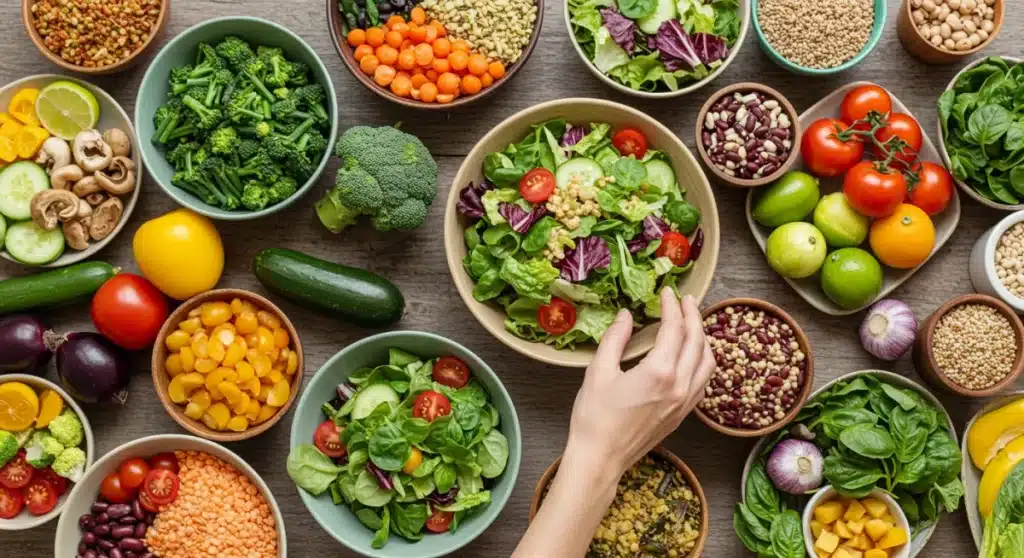
Adapting your meal plan for plant-based eating in 2026 involves embracing innovative ingredients and smart shopping strategies to achieve significant grocery savings, typically around 10%, while prioritizing health and sustainability.
Are you ready to explore the latest trends: adapting your meal plan for plant-based eating in 2026 to save 10% on groceries? The world of nutrition is constantly evolving, and plant-based diets are at the forefront of this transformation. Beyond the health benefits, a well-planned plant-based approach can significantly lighten your grocery bill. Let’s delve into how you can embrace this dietary shift effectively and economically.
The rise of plant-based eating: more than a trend
Plant-based eating has transcended its status as a mere trend, establishing itself as a fundamental shift in how many people approach their diet. This evolution is driven by a confluence of factors, including growing health consciousness, environmental concerns, and ethical considerations regarding animal welfare. As we look towards 2026, the plant-based landscape is becoming even more sophisticated, offering a wider array of options and making it more accessible than ever before.
The increasing availability of plant-based products, from innovative meat alternatives to dairy-free staples, has made the transition smoother for many. This isn’t just about cutting out meat; it’s about embracing a diverse and nutrient-rich diet centered around fruits, vegetables, legumes, whole grains, nuts, and seeds. Understanding these foundational elements is the first step towards successfully adapting your meal plan.
Health benefits and sustainability impact
Adopting a plant-based diet is widely recognized for its numerous health advantages. Studies consistently show that individuals who primarily consume plant-based foods often have lower risks of heart disease, type 2 diabetes, certain cancers, and obesity. This is largely due to the high fiber content, abundant vitamins and minerals, and lower saturated fat found in plant-based foods.
- Reduced risk of chronic diseases.
- Improved gut health and digestion.
- Better weight management.
- Increased energy levels.
Beyond personal health, the environmental impact of plant-based eating is profound. Livestock farming is a significant contributor to greenhouse gas emissions, deforestation, and water pollution. By shifting towards a plant-based diet, individuals can actively reduce their ecological footprint, contributing to a more sustainable future for the planet.
The journey to adapting your meal plan for plant-based eating in 2026 is not just about dietary choices; it’s a holistic approach to well-being and environmental stewardship. The increasing scientific evidence supporting both the health and environmental benefits reinforces why this dietary pattern continues to gain momentum globally.
Ultimately, the sustained growth of plant-based eating reflects a deeper understanding of our interconnectedness with the environment and our own bodies. As more people experience the positive changes, the movement continues to expand, driven by both personal and planetary health.
Smart meal planning: the cornerstone of savings
Effective meal planning is the single most powerful tool for anyone looking to save money on groceries, especially when transitioning to or maintaining a plant-based diet. Without a clear plan, impulse purchases and food waste can quickly erode any potential savings. In 2026, leveraging technology and strategic thinking will be key to optimizing your plant-based grocery budget.
Starting with a weekly or bi-weekly meal plan allows you to make a precise shopping list, ensuring you only buy what you need. This eliminates unnecessary purchases and helps you utilize every ingredient. Think about how ingredients can be repurposed across different meals to minimize waste.
Leveraging digital tools for efficient planning
The digital age offers an abundance of resources to streamline your meal planning process. Various apps and online platforms can help you create meal plans, generate shopping lists, and even track your spending. These tools can be invaluable for pinpointing where your money goes and identifying areas for improvement.
- Meal planning apps for recipe organization.
- Grocery list generators with price comparison features.
- Budget tracking tools to monitor expenses.
- Apps that suggest meals based on ingredients you already have.
By integrating these digital aids into your routine, you can significantly reduce the time spent on planning while maximizing your savings. Many apps also offer features for finding sales and coupons, further enhancing your ability to save money on plant-based staples.
Moreover, these tools can help you discover new plant-based recipes, expanding your culinary repertoire and preventing meal fatigue. A varied diet keeps things interesting and ensures you’re getting a wide range of nutrients. This proactive approach to meal planning is essential for achieving a 10% or more reduction in your grocery expenses.
The discipline of smart meal planning extends beyond just listing meals; it involves a conscious effort to align your dietary goals with your financial objectives. This systematic approach transforms grocery shopping from a chore into a strategic mission, empowering you to make healthier and more economical choices.
Embracing seasonal and local produce for maximum value
One of the most effective strategies for adapting your meal plan for plant-based eating in 2026 to save 10% on groceries is to prioritize seasonal and local produce. Buying fruits and vegetables when they are in season not only ensures peak flavor and nutritional value but also significantly reduces costs. Out-of-season produce often travels long distances, incurring higher prices and a larger carbon footprint.
Local farmers’ markets are excellent places to find seasonal produce, often at more competitive prices than conventional supermarkets. Building relationships with local farmers can also provide insights into upcoming harvests and special deals.
Benefits of seasonal shopping
When produce is in season, it’s typically more abundant, which drives down its price. This allows you to purchase larger quantities and explore various preservation methods, such as freezing or canning, to enjoy these foods year-round. Seasonal produce also tends to be fresher and tastier, enhancing the overall enjoyment of your plant-based meals.
- Lower prices due to abundance.
- Fresher, more flavorful ingredients.
- Higher nutritional content.
- Supports local economies.
Understanding the seasonal availability of different plant-based foods in your region is a key step. Resources like local agricultural calendars or online guides can help you identify what’s in season at any given time. This knowledge empowers you to plan your meals around the freshest and most affordable ingredients.
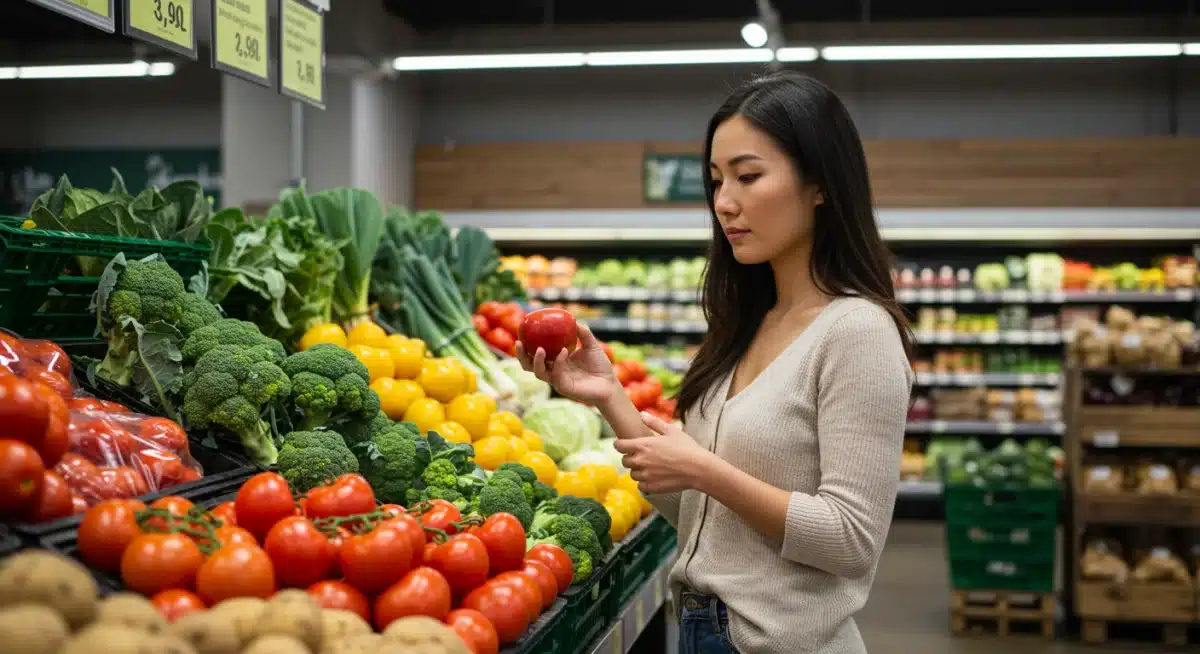
 Selecting seasonal produce also encourages culinary creativity. Instead of relying on the same few ingredients, you’ll be inspired to try new recipes and combinations based on what’s currently available. This keeps your plant-based diet exciting and prevents monotony.
The practice of shopping seasonally and locally is a powerful economic and ecological choice. It directly contributes to saving money, reducing environmental impact, and experiencing the freshest possible ingredients in your plant-based meal plan.
Bulk buying and DIY plant-based staples
To truly maximize your savings when adapting your meal plan for plant-based eating in 2026, consider the power of bulk buying and making your own plant-based staples. Many plant-based ingredients, such as grains, legumes, nuts, and seeds, are significantly cheaper when purchased in larger quantities. While the initial outlay might be higher, the cost per serving is dramatically lower.
Stores specializing in bulk foods or warehouse clubs often offer the best prices for these items. Always check the unit price to ensure you’re getting the best deal. Proper storage is crucial for bulk items to maintain freshness and prevent spoilage.
Making your own plant-based essentials
Many common plant-based products, which can be quite expensive pre-made, are surprisingly easy and cheap to make at home. Items like plant milks, hummus, vegetable broths, and even some meat alternatives can be prepared with minimal effort and significant cost savings.
- Homemade plant milks (almond, oat, soy) are cheaper and customizable.
- Whipping up hummus from dried chickpeas costs a fraction of store-bought.
- Making vegetable broth from scraps reduces food waste and saves money.
- DIY veggie burgers or lentil loafs are economical and healthy.
The process of making your own staples also gives you complete control over the ingredients, allowing you to avoid unwanted additives, excessive sodium, or sugars often found in commercial products. This aligns perfectly with a healthy and mindful plant-based diet.
Investing a little time in the kitchen to prepare these staples can yield substantial financial rewards over time. It transforms your kitchen into a hub of plant-based production, empowering you to eat well without breaking the bank. This strategy is a cornerstone for achieving that 10% grocery savings goal.
By combining strategic bulk purchases with a DIY approach to common plant-based items, you unlock substantial savings. This not only makes plant-based eating more affordable but also fosters a deeper connection with your food and its preparation.
Innovative plant-based ingredients and protein sources
The plant-based landscape in 2026 is rich with innovative ingredients and diverse protein sources, moving beyond traditional tofu and tempeh. Exploring these new options can make your meal plan more exciting, nutritionally complete, and often more cost-effective. Being open to new ingredients is key to a dynamic and affordable plant-based diet.
Consider less common legumes, ancient grains, and novel plant-based proteins that are gaining popularity. These alternatives can offer unique textures and flavors, preventing monotony in your meals and providing essential nutrients.
Exploring diverse protein options
While lentils and beans remain excellent and affordable protein sources, 2026 sees an expansion in accessible plant-based protein. Ingredients like nutritional yeast, spirulina, and various protein powders derived from peas or rice offer concentrated protein boosts. Furthermore, fungi-based proteins and cultivated plant proteins are becoming more mainstream and affordable.
- Edamame and black beans for complete protein.
- Quinoa and amaranth as protein-rich grains.
- Nutritional yeast for a cheesy flavor and B vitamins.
- Seitan (wheat gluten) for a meat-like texture.
Don’t overlook the protein content in vegetables like spinach, broccoli, and potatoes, which, when consumed in sufficient quantities as part of a balanced diet, contribute significantly to your daily protein intake. The key is variety to ensure you’re getting all essential amino acids.
Beyond protein, many new plant-based ingredients offer unique nutritional profiles. For instance, seaweed and algae products are excellent sources of iodine and other trace minerals often harder to find in terrestrial plants. Incorporating these can enhance the overall nutritional value of your meals.
By embracing these innovative and diverse plant-based ingredients, you not only enrich your diet nutritionally but also discover new ways to create delicious and budget-friendly meals. This proactive exploration keeps your plant-based meal plan fresh and exciting, contributing to both health and savings.
Waste reduction and smart storage techniques
A crucial, yet often overlooked, aspect of adapting your meal plan for plant-based eating in 2026 to save 10% on groceries is minimizing food waste. Food waste represents a direct financial loss, and it’s particularly impactful in plant-based diets where fresh produce has a shorter shelf life. Implementing smart storage techniques and creative cooking methods can drastically reduce what goes into the trash.
Begin by understanding the proper storage conditions for different plant-based foods. Some vegetables thrive in the refrigerator, while others prefer cooler, darker pantry spaces. Learning these nuances can extend the life of your produce, ensuring you use everything you buy.
Creative cooking to use every part
Adopting a ‘nose-to-tail’ approach, but for plants, means utilizing parts of vegetables that are often discarded. Carrot tops can be turned into pesto, broccoli stems can be finely chopped into stir-fries, and beet greens are delicious sautéed. This not only reduces waste but also adds nutritional variety to your meals.
- Turn vegetable scraps into nutrient-rich broths.
- Repurpose leftover grains into salads or veggie burgers.
- Freeze overripe fruits for smoothies.
- Compost unavoidable food waste to enrich your garden.
Meal prepping is another effective waste reduction strategy. By preparing meals or components in advance, you’re less likely to let ingredients spoil. Portioning meals can also prevent overeating and ensure that prepared food is consumed before it goes bad.
Regularly auditing your refrigerator and pantry helps you identify items that need to be used soon. Plan meals around these ingredients to ensure nothing is forgotten. This proactive management of your food inventory is a powerful tool for saving money and reducing your environmental footprint.
By consciously focusing on waste reduction and employing smart storage and cooking techniques, you can significantly stretch your grocery budget. This thoughtful approach ensures that every plant-based ingredient you purchase contributes to a delicious meal, rather than ending up in the bin.
| Key Strategy | Benefit for Savings |
|---|---|
| Smart Meal Planning | Reduces impulse buys and food waste, ensuring efficient grocery use. |
| Seasonal & Local Produce | Lower prices, peak freshness, and supports local economy. |
| Bulk Buying & DIY Staples | Significantly reduces cost per serving for grains, legumes, and plant milks. |
| Waste Reduction | Maximizes ingredient use, extends shelf life, and prevents spoilage loss. |
Frequently asked questions about plant-based eating and savings
Begin by listing 3-5 plant-based recipes you enjoy for the week. Check your pantry for existing ingredients, then create a precise shopping list. Focus on versatile staples like legumes, grains, and seasonal vegetables to build your meals efficiently.
While some alternatives are pricier, focusing on whole food plant-based proteins like lentils, beans, chickpeas, and tofu is generally more cost-effective. Use alternatives sparingly or during sales to help save money and reach your 10% goal.
Optimal bulk purchases include dried beans, lentils, rice, oats, pasta, nuts, and seeds. These items have a long shelf life and significant cost savings per unit when bought in larger quantities. Ensure proper storage to maintain freshness.
Implement proper storage for produce, utilize vegetable scraps for broths, and freeze fruits or vegetables nearing expiration. Meal prepping also helps ensure ingredients are used before spoiling, minimizing financial loss from waste.
Absolutely. A diverse plant-based diet rich in legumes, whole grains, fruits, vegetables, nuts, and seeds provides all essential nutrients. Focus on variety and consider fortified foods or supplements for specific nutrients like B12 if necessary.
Conclusion
As we navigate towards 2026, adapting your meal plan for plant-based eating presents a powerful opportunity not just for personal health and environmental stewardship, but also for significant financial savings. By embracing smart meal planning, prioritizing seasonal and local produce, leveraging bulk buying and DIY staples, exploring innovative ingredients, and diligently reducing food waste, you can realistically achieve and even exceed a 10% saving on your grocery bill. The journey to a plant-based diet is an evolving one, filled with delicious discoveries and sustainable practices that benefit both your well-being and your wallet.