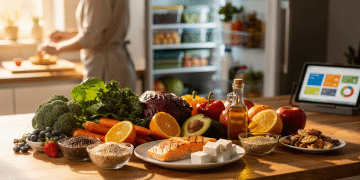
Anti-Inflammatory Recipes 2026: Top 4 US Nutritionist Picks
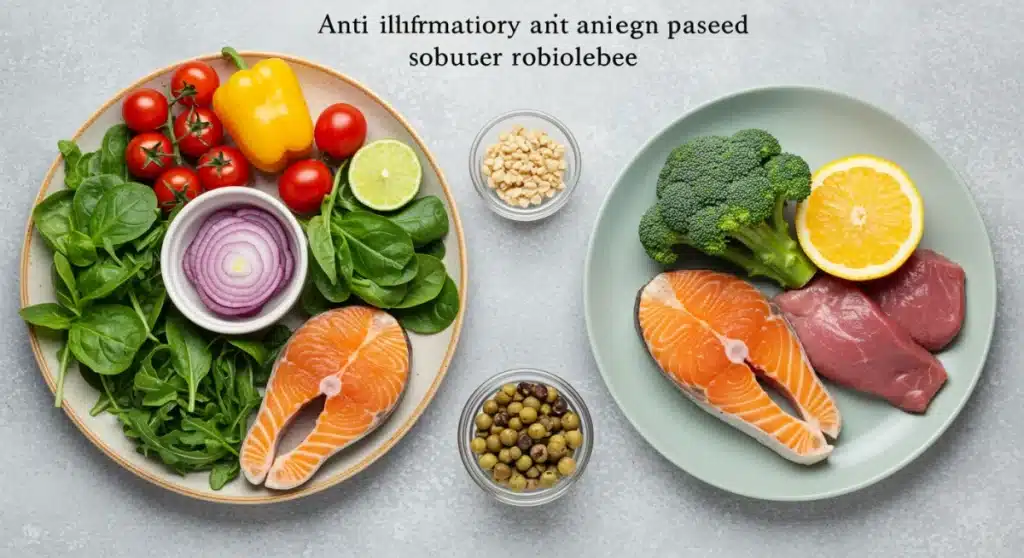
US nutritionists recommend incorporating specific anti-inflammatory recipes into daily diets for 2026 wellness, emphasizing whole foods and beneficial spices to support overall health and reduce systemic inflammation effectively.
As we step further into the landscape of health and wellness, the focus on diet as a cornerstone of preventive medicine continues to grow. The latest updates: 4 anti-inflammatory recipes recommended by US nutritionists for 2026 wellness trends are not just about eating; they are about embracing a lifestyle that actively works to reduce inflammation, a silent culprit behind many chronic diseases. These carefully curated recipes offer a delicious and practical pathway to enhanced well-being, reflecting the evolving understanding of how food influences our internal balance. By integrating these nutritionist-approved meals, individuals can proactively support their health, boost immunity, and cultivate a more vibrant future.
Understanding the anti-inflammatory diet principles
The concept of an anti-inflammatory diet revolves around consuming foods that actively reduce inflammation within the body. This dietary approach is not a fad but a science-backed strategy endorsed by leading US nutritionists, particularly as we look towards 2026 wellness trends. Chronic inflammation, often triggered by modern diets high in processed foods, sugar, and unhealthy fats, can contribute to serious health issues such as heart disease, diabetes, and autoimmune disorders. By shifting to an anti-inflammatory eating pattern, individuals can mitigate these risks and promote long-term health.
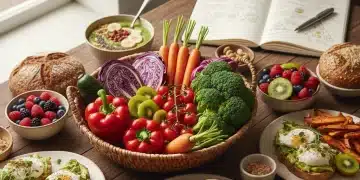
At its core, an anti-inflammatory diet emphasizes whole, unprocessed foods. This includes a rich variety of fruits, vegetables, whole grains, lean proteins, and healthy fats. The goal is to flood the body with antioxidants, fiber, and beneficial fatty acids that work synergistically to calm inflammatory responses. Understanding these fundamental principles is the first step towards adopting a diet that truly nurtures your body from the inside out.
Key components of anti-inflammatory eating
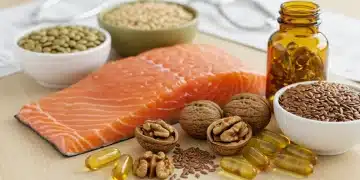
- Omega-3 fatty acids: Found in fatty fish, flaxseeds, and walnuts, these are crucial for reducing inflammation.
- Antioxidant-rich foods: Berries, dark leafy greens, and colorful vegetables combat free radicals that contribute to inflammation.
- Whole grains: Provide fiber, which supports gut health and can indirectly reduce systemic inflammation.
- Lean proteins: Essential for tissue repair and overall body function without promoting inflammation.
Avoiding inflammatory triggers is equally important. This means limiting refined carbohydrates, trans fats, excessive sugar, and processed meats. By carefully selecting ingredients and preparing meals with these principles in mind, you can create a powerful defense against internal inflammation, setting the stage for better health outcomes in 2026 and beyond. The shift towards this way of eating is a proactive health choice that yields significant benefits.
Recipe 1: Mediterranean quinoa salad with grilled salmon
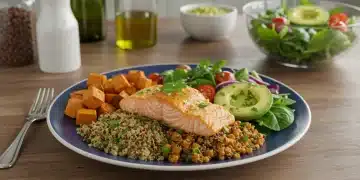
Our first nutritionist-recommended recipe for 2026 wellness trends is a vibrant Mediterranean quinoa salad with grilled salmon. This dish epitomizes the anti-inflammatory diet, combining nutrient-dense ingredients known for their powerful health benefits. Salmon, rich in omega-3 fatty acids, is a superstar in combating inflammation, while quinoa provides a complete protein and ample fiber, supporting digestive health and sustained energy. This meal is not only delicious but also incredibly satisfying, making it a perfect choice for lunch or dinner.
The Mediterranean diet itself is widely recognized for its anti-inflammatory properties, and this recipe brings those benefits directly to your plate. Fresh vegetables like cucumbers, tomatoes, and bell peppers contribute a wealth of vitamins, minerals, and antioxidants, further enhancing the meal’s ability to fight inflammation. The dressing, typically a simple blend of extra virgin olive oil, lemon juice, and herbs, adds healthy fats and a burst of flavor without relying on inflammatory ingredients.
Preparing your anti-inflammatory Mediterranean feast
Grilling the salmon ensures a healthy cooking method that locks in flavor and nutrients. Marinating it briefly with lemon and herbs can elevate the taste profile. For the quinoa, simply cook it according to package directions, then allow it to cool before assembling the salad. This prevents the vegetables from wilting and keeps the salad fresh and crisp.
- Salmon preparation: Season with salt, pepper, lemon juice, and a sprinkle of dried oregano. Grill until cooked through and flaky.
- Quinoa base: Cook 1 cup quinoa with 2 cups vegetable broth for added flavor. Fluff with a fork once done.
- Vegetable medley: Dice cucumbers, cherry tomatoes, red onion, and bell peppers. Add Kalamata olives and fresh parsley.
- Lemon-herb dressing: Whisk together extra virgin olive oil, fresh lemon juice, minced garlic, and dried dill.
Combining these elements creates a balanced meal that is both flavorful and highly beneficial for reducing inflammation. This recipe is a testament to how delicious and accessible anti-inflammatory eating can be, providing a solid foundation for your 2026 wellness goals. It’s a complete meal that nourishes every cell in your body, promoting vitality and resilience.
Recipe 2: Turmeric-spiced lentil and vegetable soup
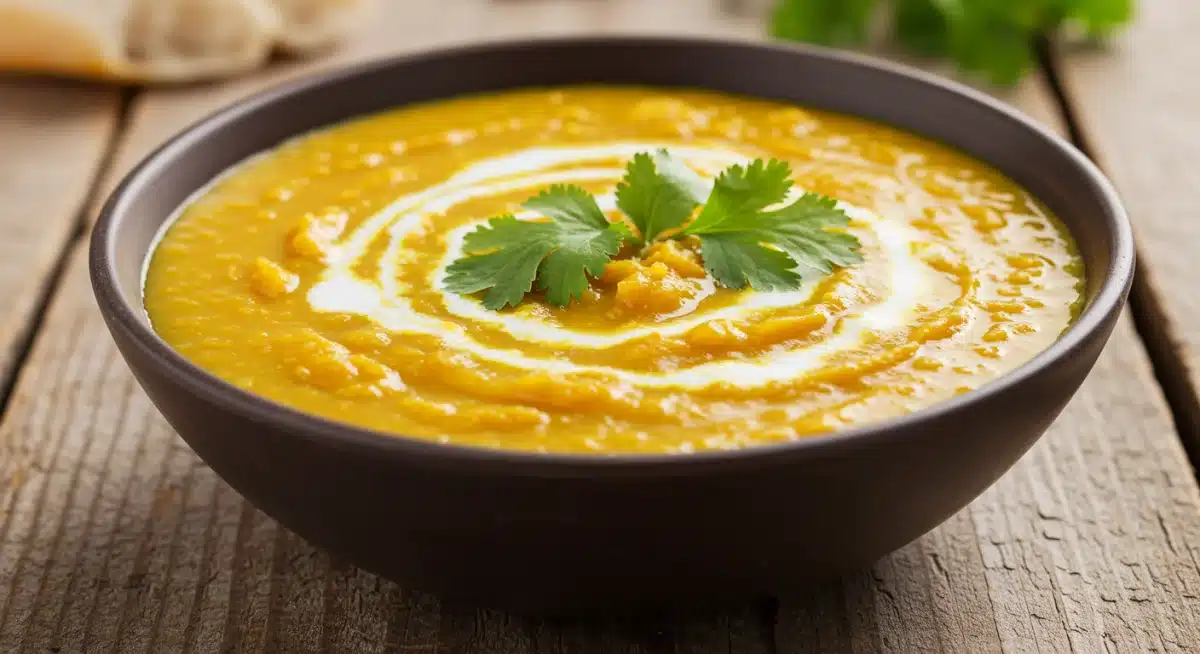
Next on our list of nutritionist-approved anti-inflammatory recipes for 2026 is a comforting and powerfully healing turmeric-spiced lentil and vegetable soup. This recipe is a powerhouse of anti-inflammatory ingredients, with turmeric leading the charge. Curcumin, the active compound in turmeric, is renowned for its potent anti-inflammatory and antioxidant properties. Lentils provide an excellent source of plant-based protein and fiber, crucial for gut health and satiety, while a medley of vegetables adds essential vitamins and minerals.
This soup is particularly appealing during colder months or when you need a nourishing, restorative meal. It’s easy to prepare in a large batch, making it an ideal option for meal prepping throughout the week. The warm spices and hearty texture make it a satisfying choice that supports your body’s natural healing processes. It’s a gentle yet effective way to incorporate more anti-inflammatory foods into your daily routine.
The healing power of spices and legumes
Beyond turmeric, this soup often includes other beneficial spices like ginger, cumin, and coriander, all of which have their own unique anti-inflammatory properties. The combination of these spices creates a complex flavor profile that is both aromatic and deeply satisfying. Legumes like lentils are not only rich in protein and fiber but also contain various phytochemicals that contribute to their anti-inflammatory effects.
- Turmeric and ginger: Key anti-inflammatory spices that boost the soup’s healing potential.
- Lentils: A fantastic source of plant-based protein, fiber, and micronutrients.
- Root vegetables: Carrots, sweet potatoes, and celery add sweetness and a wide range of vitamins.
- Leafy greens: Spinach or kale can be added at the end for an extra boost of nutrients and antioxidants.
The beauty of this soup lies in its versatility; you can adapt the vegetables to whatever is in season or readily available. This makes it a sustainable and cost-effective option for maintaining an anti-inflammatory diet. Enjoying a bowl of this turmeric-spiced lentil and vegetable soup is a delicious way to nurture your body and actively reduce inflammation, aligning perfectly with the holistic wellness goals for 2026.
Recipe 3: Berry and spinach smoothie with flaxseeds
For a quick yet potent anti-inflammatory boost, US nutritionists recommend a berry and spinach smoothie with flaxseeds as a key recipe for 2026 wellness trends. This vibrant concoction is packed with antioxidants, fiber, and omega-3 fatty acids, making it an excellent way to start your day or refuel after a workout. Smoothies offer a convenient method to consume a high volume of nutrient-dense ingredients without extensive cooking, fitting perfectly into busy modern lifestyles.
Berries, especially blueberries, raspberries, and strawberries, are celebrated for their high antioxidant content, particularly anthocyanins, which are powerful anti-inflammatory compounds. Spinach, a leafy green powerhouse, adds vitamins K and A, along with more antioxidants and fiber. The addition of flaxseeds provides a plant-based source of omega-3s, essential for reducing systemic inflammation and supporting heart health. This smoothie is not just a drink; it’s a nutritional powerhouse designed to invigorate and protect your body.
Maximizing nutrient absorption and flavor
To enhance the anti-inflammatory benefits and ensure optimal nutrient absorption, consider adding other beneficial ingredients to your smoothie. A scoop of plant-based protein powder can make it a more complete meal, while a spoonful of ginger or a pinch of cinnamon can add extra anti-inflammatory spice and flavor. Using unsweetened almond milk or coconut water as a base keeps the sugar content low and maintains the anti-inflammatory focus.
- Frozen berries: Provide natural sweetness and a cold, thick texture without added ice.
- Fresh spinach: A mild flavor that blends seamlessly into the smoothie, adding greens without overpowering taste.
- Ground flaxseeds: Offer omega-3s and fiber; grinding them ensures better absorption.
- Liquid base: Unsweetened almond milk, coconut water, or unsweetened kefir for probiotics.
This berry and spinach smoothie is more than just a refreshing beverage; it’s a strategic dietary choice that supports your body’s anti-inflammatory pathways. It’s an easy and delicious way to incorporate vital nutrients into your diet, aligning perfectly with the proactive health approach emphasized by nutritionists for 2026. Making this a regular part of your routine can significantly contribute to your overall wellness and vitality.
Recipe 4: Roasted vegetable and chickpea bowl with tahini dressing
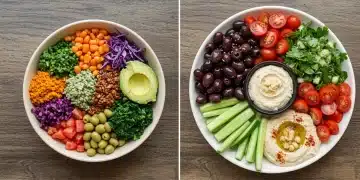
Rounding out our top four anti-inflammatory recipes recommended by US nutritionists for 2026 wellness trends is the roasted vegetable and chickpea bowl with tahini dressing. This plant-based meal is incredibly versatile, satisfying, and packed with ingredients known for their anti-inflammatory properties. Roasting vegetables brings out their natural sweetness and enhances their flavor, while chickpeas provide an excellent source of plant-based protein and dietary fiber, crucial for gut health and blood sugar regulation.
The beauty of this bowl lies in its customizable nature; you can use any seasonal vegetables you prefer, such as broccoli, cauliflower, Brussels sprouts, sweet potatoes, or bell peppers. The tahini dressing, made from sesame seeds, adds healthy fats and a creamy texture, along with essential minerals. This meal is not only delicious but also provides a balanced array of macronutrients and micronutrients, making it a complete and nourishing option for any time of day.
Building your vibrant anti-inflammatory bowl
Preparation involves simply tossing your chosen vegetables and chickpeas with olive oil and spices, then roasting them until tender and slightly caramelized. The tahini dressing is a quick whisk away, combining tahini paste with lemon juice, water, garlic, and a touch of maple syrup or honey for balance. This simple approach ensures that the natural flavors of the ingredients shine through while maximizing their anti-inflammatory potential.
- Assorted vegetables: Choose a variety of colorful vegetables for a wide range of antioxidants.
- Chickpeas: A fantastic source of fiber and protein, contributing to satiety and gut health.
- Olive oil: A healthy monounsaturated fat with its own anti-inflammatory benefits.
- Tahini dressing: Provides healthy fats and minerals, enhancing flavor and creaminess.
This roasted vegetable and chickpea bowl is a testament to the fact that anti-inflammatory eating can be both delicious and accessible. It encourages creativity in the kitchen while ensuring you’re fueling your body with ingredients that actively work to reduce inflammation. Incorporating this recipe into your weekly meal plan is an excellent step towards achieving your 2026 wellness goals, promoting health and vitality with every bite.
Integrating anti-inflammatory eating into your daily life
Adopting an anti-inflammatory diet, as highlighted by these latest updates: 4 anti-inflammatory recipes recommended by US nutritionists for 2026 wellness trends, is more than just following recipes; it’s about making conscious choices that support your overall health. The transition doesn’t have to be drastic or overwhelming. Small, consistent changes can lead to significant improvements in how you feel and function. The key is to focus on incorporating more whole, unprocessed foods while gradually reducing inflammatory triggers from your diet. This sustainable approach ensures long-term adherence and lasting benefits.
Meal planning plays a crucial role in successfully integrating anti-inflammatory eating into your daily routine. By planning your meals and snacks in advance, you can ensure you always have healthy options readily available, reducing the likelihood of reaching for less nutritious choices. Batch cooking components like roasted vegetables, cooked grains, and dressings can save time during busy weekdays, making healthy eating more convenient and less daunting. Remember, consistency is more important than perfection.
Practical tips for sustainable anti-inflammatory habits
To truly embed these dietary changes, consider practical strategies that fit your lifestyle. Experiment with new spices and herbs to discover flavors that excite your palate. Explore local farmers’ markets for fresh, seasonal produce, which often offers higher nutrient content. Educate yourself on food labels to identify hidden sugars and unhealthy fats in packaged goods. Small adjustments can collectively create a powerful impact on your health journey.
- Start small: Replace one inflammatory meal per day with an anti-inflammatory option.
- Prioritize whole foods: Focus on fruits, vegetables, whole grains, lean proteins, and healthy fats.
- Hydrate adequately: Drinking plenty of water supports all bodily functions, including detoxification.
- Read labels carefully: Be aware of hidden sugars, trans fats, and artificial ingredients.
Embracing an anti-inflammatory lifestyle is a journey, not a destination. It involves continuous learning, adapting, and listening to your body’s needs. By thoughtfully integrating these nutritionist-backed recipes and principles, you are not just eating better; you are investing in a healthier, more vibrant future. The long-term benefits of reduced inflammation, improved energy levels, and enhanced overall well-being are well worth the effort, setting a strong foundation for wellness in 2026 and beyond.
The science behind anti-inflammatory foods
The efficacy of anti-inflammatory foods is not merely anecdotal; it is deeply rooted in scientific understanding of how various compounds interact with our body’s cellular processes. US nutritionists, in their recommendations for 2026 wellness trends, emphasize ingredients rich in specific nutrients that directly combat inflammatory pathways. Chronic inflammation can damage cells and tissues, leading to a host of health problems. By consuming foods that modulate these processes, we can actively prevent and manage disease.
For instance, omega-3 fatty acids, abundant in salmon and flaxseeds, are metabolized into compounds that have potent anti-inflammatory effects, directly reducing the production of inflammatory mediators. Antioxidants found in berries and leafy greens neutralize free radicals, unstable molecules that contribute to oxidative stress and inflammation. Dietary fiber, present in lentils and whole grains, supports a healthy gut microbiome, which in turn plays a critical role in regulating systemic inflammation. The science clearly supports a diet rich in these beneficial components.
Cellular mechanisms and dietary impact
Understanding the cellular mechanisms further underscores the importance of an anti-inflammatory diet. For example, curcumin in turmeric has been shown to inhibit NF-κB, a protein complex that controls DNA transcription, cytokine production, and cell survival, all of which are central to inflammatory responses. Similarly, polyphenols in various fruits and vegetables exert their effects by influencing gene expression and signaling pathways involved in inflammation.
- Omega-3s: Modulate inflammatory signaling pathways.
- Antioxidants: Protect cells from oxidative damage, a driver of inflammation.
- Fiber: Promotes beneficial gut bacteria, which produce short-chain fatty acids with anti-inflammatory properties.
- Phytochemicals: Directly interfere with inflammatory cascades at a molecular level.
The collective impact of these dietary components creates a powerful internal environment that promotes healing and reduces the likelihood of chronic disease. By selecting foods that are scientifically proven to have anti-inflammatory effects, individuals can take a proactive stance in managing their health. This scientific backing provides a strong foundation for the nutritionist recommendations for 2026, reassuring us that these recipes are not just good for the palate, but profoundly good for the body.
| Key Anti-Inflammatory Component | Benefits and Sources |
|---|---|
| Omega-3 Fatty Acids | Reduce inflammation, support heart and brain health. Found in salmon, flaxseeds. |
| Antioxidants | Combat oxidative stress and cellular damage. Abundant in berries, dark leafy greens. |
| Dietary Fiber | Promotes gut health, regulates blood sugar, and supports anti-inflammatory responses. From lentils, whole grains. |
| Curcumin (Turmeric) | Potent anti-inflammatory compound, supports immune function. Found in turmeric spice. |
Frequently asked questions about anti-inflammatory recipes
For daily anti-inflammatory benefits, focus on fatty fish like salmon, colorful berries, dark leafy greens such as spinach and kale, whole grains, and healthy fats like olive oil and avocados. Spices like turmeric and ginger are also excellent additions due to their powerful compounds that combat inflammation.
Yes, an anti-inflammatory diet can significantly help manage chronic pain. Many chronic pain conditions are linked to underlying inflammation. By reducing inflammatory foods and increasing anti-inflammatory ones, individuals often experience a decrease in pain levels and improved overall well-being. Consult a healthcare professional for personalized advice.
To maximize anti-inflammatory benefits, it’s best to limit or avoid highly processed foods, sugary drinks, refined carbohydrates (white bread, pasta), trans fats (found in many fried and processed items), and excessive red and processed meats. These foods can promote inflammation in the body and counteract your efforts.
The timeline for seeing results from an anti-inflammatory diet varies for each individual. Some people may notice improvements in energy levels, digestion, or reduced pain within a few weeks, while others might take longer. Consistency is key, and long-term adherence yields the most significant and lasting benefits for overall health and inflammation reduction.
Absolutely. Many anti-inflammatory foods are plant-based, making these recipes highly adaptable for vegetarians and vegans. Legumes, nuts, seeds, fruits, vegetables, and whole grains form the core of an anti-inflammatory diet. Plant-based proteins like lentils and chickpeas are excellent substitutes for animal products, ensuring a nutrient-rich and delicious meal.
Conclusion
The journey towards optimal wellness in 2026 is undeniably linked to the choices we make on our plates. The latest updates: 4 anti-inflammatory recipes recommended by US nutritionists for 2026 wellness trends provide a clear and delicious roadmap for anyone looking to harness the power of food to combat inflammation. By integrating dishes like Mediterranean quinoa salad with grilled salmon, turmeric-spiced lentil soup, berry and spinach smoothies, and roasted vegetable and chickpea bowls, individuals can actively support their body’s natural healing processes and promote long-term health. These recipes are more than just meals; they are foundations for a vibrant, energetic, and resilient life, proving that healthy eating can be both effective and incredibly enjoyable. Embracing these dietary principles is a powerful step towards a healthier future.