2026’s Best Plant-Based Proteins for Muscle Growth: Data Analysis
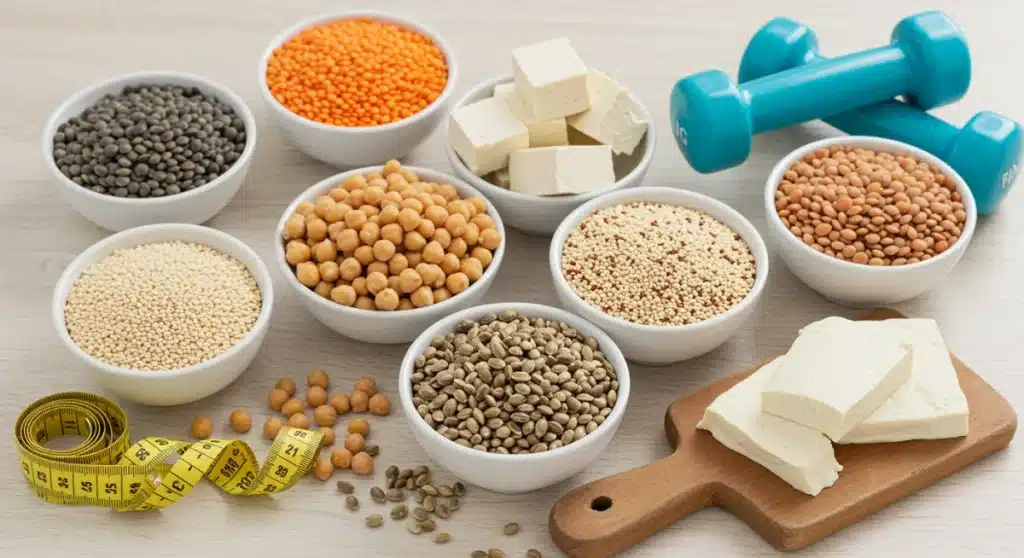
The optimal plant-based protein sources for muscle growth in 2026 are highlighted by their complete amino acid profiles, bioavailability, and digestibility, with pea, soy, and rice proteins often leading due to their balanced nutritional contributions.
As we navigate the evolving landscape of nutrition and fitness, the quest for optimal muscle growth continues to captivate athletes and health enthusiasts alike. For those committed to a plant-based lifestyle, understanding the most effective protein sources is paramount. This comprehensive article delves into a comparison of 2026’s best plant-based protein sources for muscle growth: a data-backed analysis, offering insights derived from the latest scientific research and practical applications.
The evolving landscape of plant-based protein
The shift towards plant-based diets has accelerated significantly, driven by health, ethical, and environmental considerations. This paradigm shift has spurred innovation in the food industry, leading to a wider array of plant-based protein options. Gone are the days when plant-based meant limited choices; today, consumers have access to highly refined and specialized protein products designed to meet specific physiological demands, including muscle hypertrophy.
Understanding the nuances of these protein sources is crucial. It’s not merely about consuming protein, but about the quality, completeness of amino acid profiles, and bioavailability. The human body requires all nine essential amino acids for optimal muscle protein synthesis, and while many plant proteins are considered ‘incomplete’ on their own, strategic combinations can easily provide a full spectrum. The market in 2026 reflects a sophisticated understanding of these needs, offering blends and isolates that rival traditional animal proteins.
Advancements in plant protein extraction
Modern extraction techniques have revolutionized the purity and concentration of plant proteins. These advancements allow for the removal of anti-nutritional factors and improvements in taste and texture, making them more palatable and effective for muscle building. This has opened doors for new formulations and applications, from protein powders to fortified foods, catering to the diverse preferences of consumers seeking muscle growth.
- Enhanced digestibility and absorption rates.
- Improved amino acid profiles through blending.
- Reduced allergenic potential compared to some animal proteins.
- Sustainable and ethical production methods.
The continuous innovation in this sector means that plant-based athletes no longer face the same challenges in meeting their protein requirements. The focus has shifted from simply finding enough protein to optimizing its source and form for maximum efficacy in muscle development.
Pea protein: a leading contender for muscle hypertrophy
Pea protein has firmly established itself as a frontrunner in the plant-based protein market, especially for those targeting muscle growth. Derived from yellow split peas, it boasts an impressive amino acid profile, particularly rich in branched-chain amino acids (BCAAs) like leucine, isoleucine, and valine, which are critical for muscle protein synthesis. Its high digestibility and low allergenic potential make it an excellent choice for a broad range of individuals.
Recent studies in 2026 continue to affirm pea protein’s effectiveness, often comparing its anabolic effects favorably to whey protein. Its ability to support muscle repair and growth, coupled with its sustainable production, reinforces its position as a top-tier option. The texture and neutral flavor of pea protein also make it highly versatile for various applications, from shakes to baked goods.
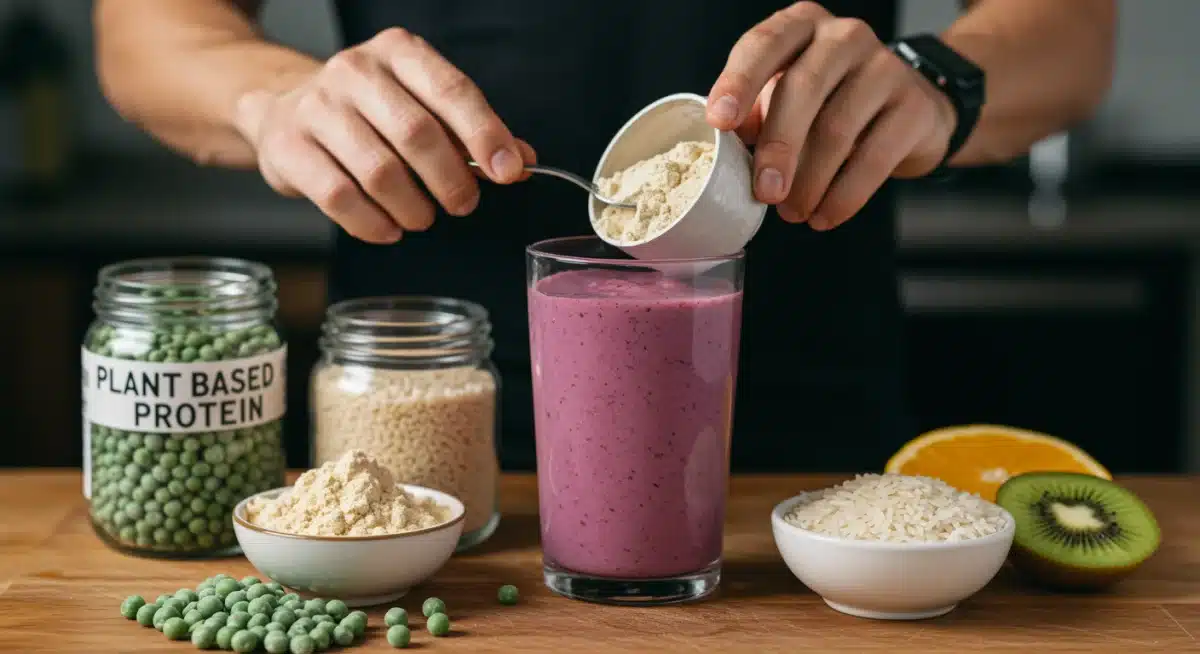
Furthermore, pea protein is naturally free from common allergens like dairy, soy, and gluten, making it an inclusive choice for individuals with dietary sensitivities. Its sustained release properties can also aid in prolonged satiety, which can be beneficial for weight management alongside muscle gain.
Key benefits of pea protein for athletes
For athletes and bodybuilders, the benefits of pea protein extend beyond its amino acid content. It contributes to a feeling of fullness, which can help manage calorie intake, and its iron content is a valuable addition for active individuals. The sustainable sourcing of peas also aligns with a growing consumer demand for environmentally friendly products.
- High in BCAAs, especially leucine.
- Excellent digestibility and absorption.
- Hypoallergenic and suitable for many diets.
- Supports sustained muscle protein synthesis.
In summary, pea protein offers a comprehensive solution for muscle growth, combining a robust nutritional profile with environmental consciousness, making it a powerful choice in 2026.
Soy protein: a complete and controversial option
Soy protein has long been a staple in plant-based diets and remains a powerful source for muscle growth. It is one of the few plant-based proteins that offers a complete amino acid profile, meaning it contains all nine essential amino acids in sufficient quantities. This completeness is a significant advantage for muscle protein synthesis, making it a highly effective option for athletes and bodybuilders.
Despite its nutritional benefits, soy protein has faced some controversy, primarily regarding its phytoestrogen content. However, extensive research in recent years has largely debunked claims of adverse hormonal effects in men consuming soy in moderation. For women, soy has even been linked to potential health benefits, including bone health. In 2026, the consensus among nutrition experts is that soy protein is safe and effective for most individuals, especially when consumed as part of a balanced diet.
Understanding soy protein isolates vs. concentrates
The market offers different forms of soy protein, primarily isolates and concentrates. Soy protein isolate undergoes more processing to remove fats and carbohydrates, resulting in a higher protein percentage and a more neutral flavor, ideal for protein powders. Soy protein concentrate retains more of the original soybean’s nutrients, offering a slightly less refined option.
- Complete amino acid profile for muscle building.
- Widely available and cost-effective.
- Versatile in various food products.
- Supports muscle repair and recovery.
The adaptability of soy protein, combined with its proven efficacy, ensures its continued relevance in the plant-based fitness community. Its comprehensive nutritional makeup makes it an invaluable asset for those aiming to maximize muscle development.
Rice protein: complementing other plant sources
Brown rice protein has emerged as a valuable component in plant-based protein blends, particularly when combined with pea protein. While brown rice protein alone is not considered a complete protein due to its lower lysine content, its high methionine and cysteine levels perfectly complement pea protein’s profile, creating a synergistic effect that provides a full spectrum of essential amino acids. This makes the pea-rice blend a powerhouse for muscle growth.
In 2026, rice protein is increasingly recognized for its hypoallergenic properties, making it an excellent alternative for individuals sensitive to soy or other common protein sources. Its gentle nature on the digestive system contributes to its rising popularity. Furthermore, the sustainability of rice cultivation, especially when sourced responsibly, adds to its appeal for environmentally conscious consumers.
The subtle flavor of rice protein also allows it to be easily incorporated into various protein shakes and recipes without overpowering other ingredients. This versatility is a significant advantage for those looking to diversify their protein intake and experiment with different plant-based options.
Benefits of rice protein in blends
When used in conjunction with other plant proteins, rice protein contributes significantly to overall protein quality and muscle support. Its unique amino acid profile fills crucial gaps, ensuring that all essential amino acids are provided for optimal muscle protein synthesis and recovery.
- Hypoallergenic and easy to digest.
- Excellent complementary amino acid profile with pea protein.
- Sustainable and environmentally friendly.
- Neutral flavor for versatile use.
In conclusion, while rice protein may not stand alone as a complete protein, its role in creating balanced and effective plant-based protein blends is indispensable for muscle growth.
Hemp protein: nutrient-dense and highly digestible
Hemp protein, derived from the seeds of the hemp plant, is gaining traction as a robust plant-based protein source for muscle growth. It stands out not only for its protein content but also for its exceptional nutritional density, offering a rich supply of fiber, omega-3 and omega-6 fatty acids in an ideal ratio, and various essential minerals like magnesium, iron, and zinc. This makes it a holistic superfood for overall health and muscle development.
What sets hemp protein apart is its impressive digestibility. It contains edestin and albumin, two globular proteins that are easily absorbed and utilized by the human body, contributing to efficient muscle repair and growth. While not as high in leucine as pea or soy protein, its complete amino acid profile, including all essential amino acids, makes it a valuable addition to any plant-based diet focused on fitness.
The natural and minimally processed nature of hemp protein appeals to those seeking whole-food options. Its slightly nutty flavor can enhance the taste of smoothies and other recipes, adding a unique dimension to plant-based protein intake. In 2026, its sustainable cultivation practices further solidify its position as an eco-friendly choice.
Why choose hemp protein?
Beyond muscle building, the comprehensive nutrient profile of hemp protein supports overall well-being. The healthy fats contribute to cardiovascular health, while the fiber aids in digestion and satiety, making it a well-rounded option for anyone pursuing a healthier, stronger physique.
- Rich in fiber and essential fatty acids.
- Highly digestible proteins (edestin and albumin).
- Complete amino acid profile.
- Abundant in vitamins and minerals.
Hemp protein provides a multifaceted approach to nutrition, supporting muscle growth while delivering a wealth of other beneficial compounds, establishing it as a premium plant-based option in 2026.
Emerging plant protein sources and future trends
The innovation in plant-based protein continues unabated, with several exciting sources gaining prominence in 2026. Beyond the well-established options, new contenders are being explored for their potential in muscle growth and overall nutritional benefits. These emerging sources often boast unique amino acid profiles, enhanced digestibility, or more sustainable production methods, indicating a dynamic future for plant-based nutrition.
One notable trend is the increased focus on protein optimization through fermentation. Fermented plant proteins can offer improved bioavailability and reduced anti-nutritional factors, making them even more effective for muscle protein synthesis. Additionally, the development of blends incorporating multiple novel plant sources is becoming more common, aiming to create more complete and functionally superior protein products.
Future-forward protein options
Exciting developments include protein from algae, fungi, and even lab-grown plant cells. Algae-based proteins, such as spirulina and chlorella, are renowned for their high protein content and rich micronutrient profiles. Fungi-derived proteins, like mycoprotein, offer a unique texture and a complete amino acid spectrum, positioning them as strong contenders for future muscle-building supplements.
- Fermented plant proteins for enhanced absorption.
- Algae and fungi-based proteins for novel nutrient profiles.
- Customized protein blends for specific athletic needs.
- Sustainable and resource-efficient production methods.
The landscape of plant-based protein is continuously evolving, promising even more effective and diverse options for muscle growth in the years to come. Staying informed about these trends will be key for anyone serious about optimizing their plant-based fitness journey.
| Protein Source | Key Benefit for Muscle Growth |
|---|---|
| Pea Protein | High BCAA content, excellent digestibility, hypoallergenic. |
| Soy Protein | Complete amino acid profile, cost-effective, versatile. |
| Rice Protein | Hypoallergenic, complements other proteins in blends. |
| Hemp Protein | Nutrient-dense, rich in omegas and fiber, highly digestible. |
Frequently asked questions about plant-based protein for muscle growth
Yes, with strategic combinations and proper intake, plant-based proteins can be just as effective as whey for muscle growth. Blending different plant sources ensures a complete amino acid profile, crucial for muscle protein synthesis and recovery. Research in 2026 continues to support this equivalency.
Combine various plant protein sources throughout your day. For instance, pairing legumes with grains (e.g., rice and beans) or utilizing diverse protein powders like pea and rice protein blends provides a complete amino acid spectrum necessary for optimal muscle building.
Generally, no plant proteins need to be entirely avoided. However, opt for protein sources with higher bioavailability and a more complete amino acid profile. Some less common sources might require larger quantities or careful pairing to meet muscle growth requirements effectively.
For muscle gain, a general recommendation is 1.6 to 2.2 grams of protein per kilogram of body weight daily. This can vary based on activity level, age, and individual goals. Distributing protein intake evenly throughout the day is also beneficial.
Some individuals might experience digestive discomfort with certain plant proteins, often due to fiber content or specific compounds. Opting for isolates, blends, or fermented proteins can improve digestibility. Gradually increasing intake allows your digestive system to adapt more easily.
Conclusion
The landscape of plant-based protein for muscle growth in 2026 is robust and continually advancing. From the established efficacy of pea and soy proteins to the complementary power of rice and the nutrient density of hemp, athletes and fitness enthusiasts have a wealth of options. The key lies in understanding the unique profiles of each source and how they can be combined or utilized to meet individual nutritional requirements for optimal muscle protein synthesis. With ongoing research and innovation, plant-based protein sources are proving to be not only effective alternatives but also sustainable and health-conscious choices for building a strong, lean physique. Embracing these diverse options ensures a comprehensive approach to muscle development, aligning with both personal health goals and broader environmental values.