Meal Prep 7 Dinners: 2 Hours, Zero Waste
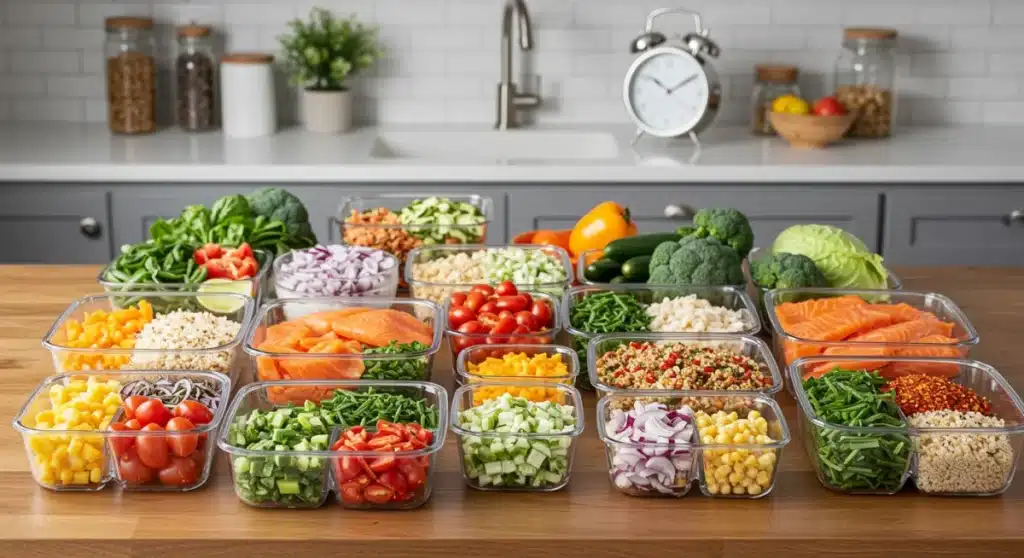
Mastering meal prep for 7 healthy dinners in under 2 hours can significantly reduce food waste by 15%, streamlining your week with nutritious, ready-to-eat meals and saving valuable time and money.
Are you tired of the daily dinner dilemma, leading to last-minute unhealthy choices and wasted ingredients? Discover the transformative power of meal prep dinners, a strategy that not only guarantees healthy eating for 7 days but also drastically cuts down on food waste, all achievable in under two hours each week.
the strategic mindset for efficient meal prepping
Approaching meal prep with a strategic mindset is the cornerstone of its success. It’s not just about cooking in bulk; it’s about intelligent planning, ingredient optimization, and a clear vision for your week’s meals. This foundational step ensures that your efforts are not only productive but also sustainable, making healthy eating an effortless part of your routine.
Before you even step into the kitchen, a few key considerations will set you up for success. Thinking about your family’s dietary preferences, potential allergies, and weekly schedule can significantly streamline the process. This proactive approach minimizes mid-week adjustments and maximizes the enjoyment of your prepared meals.
planning your weekly menu
The first critical step in efficient meal prepping is meticulous menu planning. This involves selecting recipes that share common ingredients or cooking methods to save time and reduce waste. Consider theme nights, like ‘Taco Tuesday’ or ‘Pasta Wednesday,’ to simplify decision-making and grocery shopping.
- Choose versatile proteins that can be used in multiple dishes, such as chicken breast or ground turkey.
- Incorporate seasonal vegetables for freshness and cost-effectiveness.
- Select recipes that are freezer-friendly for extended storage options.
streamlining your grocery list
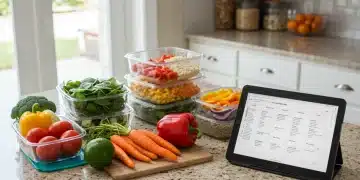
Once your menu is set, create a detailed grocery list. Organize it by supermarket sections to navigate the aisles quickly and avoid impulse buys. This not only saves time but also prevents buying unnecessary items that might go to waste.
A well-organized list is your blueprint for a successful shopping trip. Double-check your pantry and refrigerator before heading out to ensure you don’t duplicate items you already have. This simple habit can lead to significant savings and a noticeable reduction in food waste over time.
By adopting a strategic mindset, you transform meal prep from a chore into an empowering habit. This initial planning phase, though often overlooked, is where the true efficiency and waste reduction begin. It lays the groundwork for a smooth cooking process and a week of delicious, healthy dinners.
mastering ingredient selection and preparation
The quality and type of ingredients you select play a pivotal role in both the healthfulness of your meals and your ability to reduce food waste. Focusing on fresh, whole foods that can be utilized in multiple ways is key. This approach not only enhances nutritional value but also supports your goal of minimizing what gets thrown away.
Understanding how to properly store and prepare your ingredients immediately after purchasing them can extend their shelf life. This proactive step prevents spoilage, which is a major contributor to household food waste. From washing and drying greens to pre-chopping vegetables, every small action adds up.
choosing versatile produce
Opt for fruits and vegetables that can be used in various dishes throughout the week. For example, bell peppers can go into stir-fries, salads, or fajitas. Carrots work well in soups, roasted sides, or as a snack.
- Prioritize produce with a longer shelf life, like root vegetables, cabbage, and apples.
- Buy smaller quantities of highly perishable items unless you have a specific plan for them.
- Consider frozen fruits and vegetables for convenience and to reduce spoilage, as they are often picked at peak ripeness.
efficient protein handling
Proteins are often the most expensive component of a meal, making their efficient handling crucial for waste reduction. Purchase proteins in bulk when on sale, then portion and freeze them immediately. This ensures you always have a ready supply without the pressure to cook it all at once.
When preparing proteins, focus on methods that allow for quick reheating without compromising texture or flavor. Grilling, baking, or slow-cooking can all be excellent options. Marinating proteins in advance also saves time and infuses flavor, making your weeknight meals more exciting.
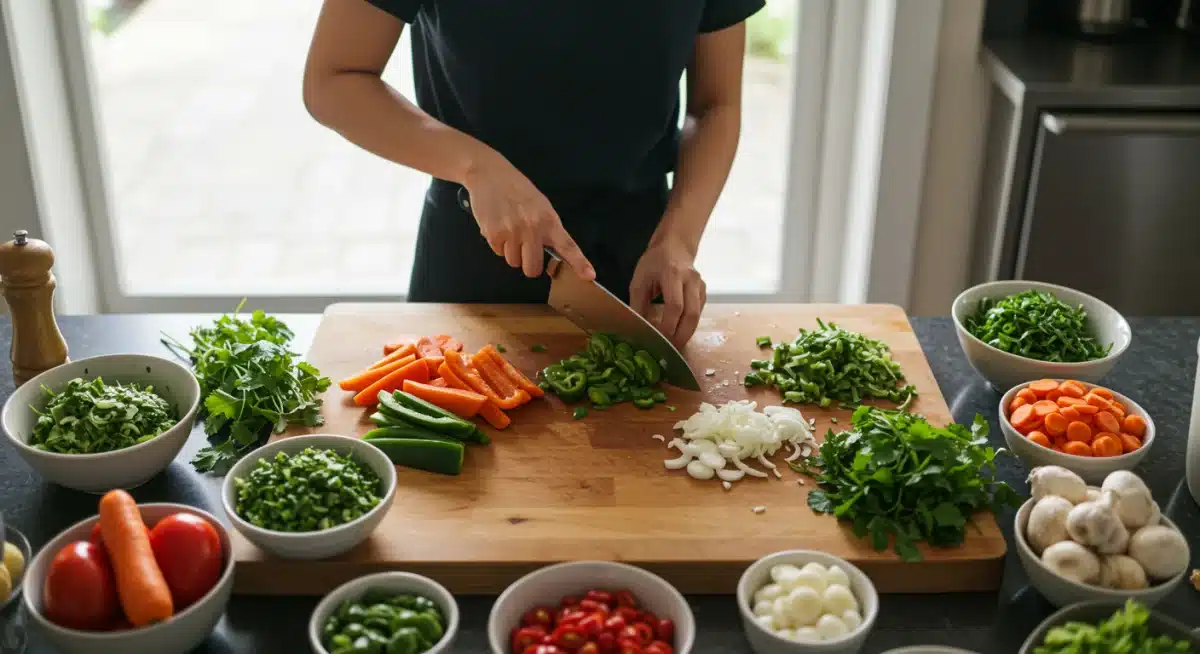
By carefully selecting and preparing your ingredients, you not only elevate the nutritional profile of your meals but also make significant strides in reducing food waste. This stage is where the tangible aspect of meal prepping truly comes to life, setting the foundation for delicious and sustainable eating.
time-saving cooking techniques
The core challenge of preparing 7 dinners in under 2 hours lies in employing smart, time-saving cooking techniques. This isn’t about rushing your cooking; it’s about maximizing efficiency by using your kitchen tools wisely and batch-cooking components that can be mixed and matched. The goal is to cook smarter, not harder, ensuring every minute in the kitchen is productive.
Utilizing appliances like instant pots, slow cookers, and sheet pans simultaneously can dramatically cut down on overall cooking time. These tools allow you to cook multiple items at once with minimal oversight, freeing you to focus on other prep tasks or simply relax.
batch cooking basics
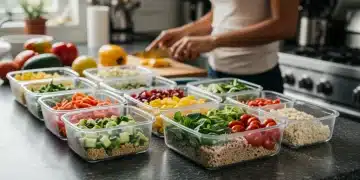
Batch cooking involves preparing large quantities of staple ingredients that can be incorporated into various meals. Think about cooking a big batch of grains like quinoa or brown rice, roasting a tray of mixed vegetables, or cooking a whole chicken that can be shredded for different recipes.
- Roast multiple types of vegetables on one sheet pan at the same time.
- Cook a large pot of beans or lentils for use in salads, soups, or as a side dish.
- Prepare a versatile sauce or dressing that can enhance several meals throughout the week.
simultaneous cooking strategies
To truly hit that sub-2-hour mark, you need to master simultaneous cooking. While one item is roasting in the oven, another can be simmering on the stovetop, and a third might be pressure cooking. This multi-tasking approach is essential for efficiency.
Consider the cooking times of different components and plan their start times accordingly. For instance, items with longer cooking durations should go in first. This orchestrated approach ensures everything finishes around the same time, ready for assembly or storage.
By implementing these time-saving cooking techniques, you transform your kitchen into an efficient meal-making machine. These methods are not just about speed; they are about intelligent workflow and maximizing the output from your efforts, making healthy eating more accessible and less time-consuming.
smart storage for freshness and waste reduction
Effective storage is just as critical as cooking for maintaining the freshness of your meal-prepped dinners and significantly reducing food waste. The right containers and storage methods can extend the life of your food, ensuring that your efforts last all week long without compromising taste or safety. This step prevents spoilage and keeps your meals appetizing.
Beyond just containers, understanding the specific needs of different food types for optimal storage is crucial. Some foods thrive in airtight containers in the fridge, while others might benefit from freezing or specific pantry conditions. Tailoring your storage approach to each component of your meal prep maximizes its longevity.
choosing the right containers
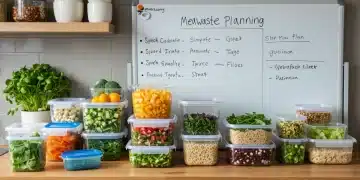
Investing in good quality, airtight containers is paramount. Glass containers are often preferred as they are non-porous, don’t retain odors, and are safe for reheating. Ensure your containers are stackable to save precious refrigerator space.
- Opt for containers with compartments to keep different food components separate, preventing sogginess.
- Label containers with the meal name and date of preparation to track freshness.
- Consider reusable silicone bags for space-saving storage of individual portions or ingredients.
optimal refrigeration and freezing techniques
Proper refrigeration is key for most meal-prepped items. Ensure your refrigerator is set to the correct temperature (below 40°F/4°C) to inhibit bacterial growth. For longer storage, freezing is an excellent option for many cooked dishes.
When freezing, allow food to cool completely before transferring it to freezer-safe containers. This prevents ice crystal formation and maintains food quality. Labeling is even more important for frozen items, including the date of freezing, to ensure you use them within their optimal timeframe.
By mastering smart storage techniques, you safeguard your meal prep investment. This not only keeps your food fresh and delicious but also plays a vital role in achieving your goal of reducing food waste, making your healthy eating journey both practical and economical.
sample meal plan: 7 dinners in under 2 hours
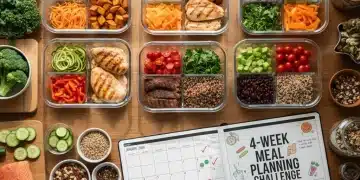
To illustrate how these strategies come together, let’s look at a concrete sample meal plan. This plan is designed to maximize efficiency and ingredient usage, demonstrating how you can achieve 7 diverse and healthy dinners within the tight 2-hour prep window. The key is to select recipes that share common ingredients and cooking methods, allowing for simultaneous preparation.
This sample plan focuses on versatility, using staple ingredients like chicken, rice, and a variety of vegetables in multiple forms. It’s a template you can adapt to your own tastes and dietary needs, proving that efficient meal prep doesn’t mean sacrificing variety or flavor.
monday: sheet pan lemon herb chicken and roasted vegetables
Marinate chicken breasts with lemon, herbs, and olive oil. Chop a mix of broccoli, bell peppers, and zucchini. Toss vegetables with olive oil, salt, and pepper. Roast chicken and vegetables together on a single sheet pan.
tuesday: chicken and veggie stir-fry with brown rice
Use pre-cooked chicken from Monday’s prep. Sauté pre-chopped vegetables (carrots, snap peas, mushrooms) with a stir-fry sauce. Serve over a batch of pre-cooked brown rice.
wednesday: black bean burgers with sweet potato fries
Prepare black bean burger patties in advance. Roast pre-cut sweet potato wedges in the oven. Assemble burgers with whole wheat buns and fresh toppings.
thursday: chicken and black bean quesadillas
Utilize leftover cooked chicken and black beans. Layer with cheese and vegetables in tortillas. Cook in a pan until golden and crispy.
friday: pasta with roasted vegetable marinara
Roast a large batch of tomatoes, onions, garlic, and bell peppers. Blend into a rich marinara sauce. Serve with whole wheat pasta cooked fresh or a pre-cooked batch.
saturday: lentil soup with whole grain bread
Cook a large pot of lentil soup with carrots, celery, and spinach. This soup can be made in advance and reheats beautifully. Serve with crusty whole grain bread.
sunday: customized salad bowls with leftover protein
Assemble large salad bowls using a base of mixed greens, pre-chopped veggies, and any leftover cooked protein (chicken, lentils, black beans). Add a vinaigrette dressing prepared earlier in the week.
This plan demonstrates how intelligent ingredient reuse and simultaneous cooking can yield a week’s worth of healthy, delicious dinners with minimal overall time investment. It’s a testament to the power of strategic meal prepping.
reducing food waste: a core benefit
Beyond the convenience and health benefits, one of the most impactful outcomes of strategic meal prepping is the significant reduction in food waste. When you plan your meals, shop with purpose, and utilize ingredients efficiently, you naturally minimize what ends up in the trash. This not only benefits your wallet but also the environment, aligning with a more sustainable lifestyle.
Food waste is a global issue with substantial economic and environmental consequences. By consciously planning and preparing your meals, you become an active participant in solving this problem, making a tangible difference one meal at a time. This mindful approach to food consumption is a powerful habit to cultivate.
smart shopping and inventory management
The journey to reducing food waste begins even before cooking. A well-managed pantry and refrigerator, combined with a precise grocery list, prevent over-purchasing and forgotten ingredients. Regularly checking expiration dates and rotating stock ensures older items are used first.
- Keep a running inventory of what you have on hand to avoid duplicate purchases.
- Plan meals around ingredients that need to be used up soon.
- Understand ‘best by’ vs. ‘use by’ dates to prevent premature discarding of food.
creative repurposing of leftovers
Leftovers are not just for reheating; they are opportunities for new meals. Transforming cooked chicken into quesadillas or roasted vegetables into a pasta sauce are prime examples of creative repurposing. This approach ensures that every bit of food you cook is utilized to its fullest potential.
Thinking creatively about how to transform components of one meal into another is a hallmark of efficient meal prepping. This not only adds variety to your diet but also dramatically reduces the likelihood of food being thrown away simply because it’s ‘old’ or ‘boring.’
By integrating these practices into your meal prep routine, you move beyond merely cooking to actively participating in a more sustainable food system. Reducing food waste is a tangible benefit that amplifies the value of every hour you spend prepping.
troubleshooting common meal prep challenges
Even the most seasoned meal preppers encounter hurdles. From meals losing their appeal by midweek to unexpected changes in schedule, challenges are inevitable. However, anticipating these issues and having strategies in place can ensure your meal prep journey remains smooth and successful. The key is adaptability and learning from each week’s experience.
Addressing common problems proactively not only saves time and frustration but also reinforces the consistency of your healthy eating habits. It’s about finding practical solutions that fit your lifestyle, rather than giving up when things don’t go exactly as planned.
preventing meal fatigue
Eating the same meal for several days can lead to ‘meal fatigue.’ To combat this, incorporate variety by mixing and matching components or introducing different seasonings and sauces. Prepare a base ingredient, like roasted chicken, and use it in various ways throughout the week.
- Batch cook versatile components rather than complete meals.
- Keep a variety of spices, herbs, and sauces on hand to change up flavors.
- Incorporate one or two ‘fresh prep’ meals each week that require minimal cooking.
managing unexpected schedule changes
Life happens, and sometimes your meticulously planned schedule gets derailed. Having a contingency plan, such as freezer-friendly meals or flexible components, can save you from resorting to takeout. Embrace flexibility and view meal prep as a guide, not a rigid rule.
Having a few emergency meal options in your freezer can be a lifesaver on particularly busy or unexpected days. Additionally, knowing which components can be easily adapted or swapped out allows for greater resilience in your meal planning.
By proactively addressing these common challenges, you fortify your meal prep routine against disruptions. This adaptability is crucial for long-term success, ensuring that your commitment to healthy eating and waste reduction remains steadfast, even when life throws a curveball.
| Key Aspect | Brief Description |
|---|---|
| Strategic Planning | Menu selection and grocery list optimization to save time and reduce waste. |
| Efficient Cooking | Utilizing batch cooking and simultaneous techniques to prepare meals quickly. |
| Smart Storage | Proper container selection and refrigeration/freezing to maintain freshness. |
| Waste Reduction | Minimizing food waste through thoughtful planning, shopping, and repurposing. |
frequently asked questions about meal prep
To prevent sogginess, store sauces and dressings separately. For dishes like salads, pack wet ingredients like tomatoes or cucumbers in a different compartment or add them just before eating. Ensure cooked grains and vegetables are completely cooled before sealing to avoid condensation.
Great options include roasted vegetables, cooked grains (quinoa, brown rice), lean proteins (chicken, fish, lentils), and hearty soups or stews. Dishes that reheat well or can be assembled fresh from pre-cooked components are ideal for maintaining taste and texture.
Yes, by employing strategic planning, batch cooking, and simultaneous cooking techniques. Focus on versatile ingredients, use kitchen appliances efficiently, and streamline your workflow. With practice, you’ll find yourself achieving this goal consistently, saving significant time.
Meal prepping reduces food waste by promoting intentional grocery shopping, ensuring all purchased ingredients have a purpose. It also encourages creative use of leftovers and proper storage, preventing spoilage and maximizing the utility of every food item.
Essential tools include quality airtight containers (glass is preferred), a sharp chef’s knife, a large cutting board, an Instant Pot or slow cooker, and sheet pans. These tools facilitate efficient cooking, storage, and organization, making the process smoother and faster.
conclusion
Mastering the art of meal prepping 7 healthy dinners in under 2 hours is more than just a time-saving hack; it’s a holistic approach to healthier living and responsible consumption. By embracing strategic planning, efficient cooking techniques, and smart storage, you not only ensure a week of nutritious meals but also make a significant impact on reducing food waste. This insider knowledge empowers you to transform your kitchen routine, benefiting both your well-being and the planet. Start small, stay consistent, and watch as meal prep revolutionizes your dinner table.