Personalized Nutrition: Genetic Testing for 2025 Meal Plans
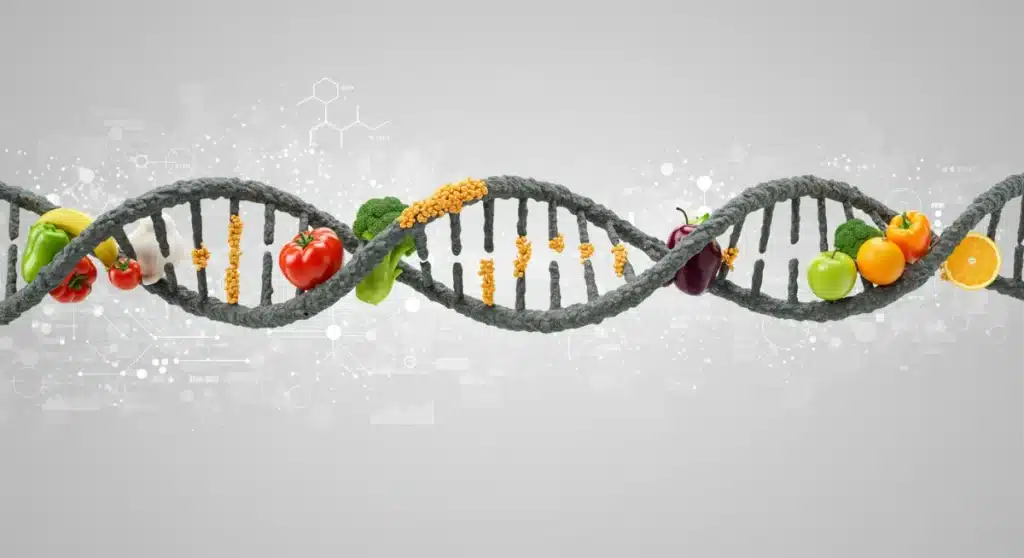
Personalized nutrition through genetic testing can significantly refine your 2025 meal plan by offering precise dietary recommendations based on your unique genetic blueprint, optimizing health and wellness.
Imagine a meal plan crafted exclusively for you, not just based on general health guidelines, but on the very blueprint of your being. This is the promise of personalized nutrition genetic testing, a groundbreaking approach poised to redefine how we eat in 2025 and beyond. It moves beyond one-size-fits-all diets, offering a glimpse into how your body truly interacts with food at a molecular level.
Understanding the Basics of Nutrigenomics
Nutrigenomics is the scientific discipline at the heart of personalized nutrition. It explores the intricate relationship between our genes, diet, and health outcomes. This field investigates how individual genetic variations influence our response to nutrients and how nutrients, in turn, affect gene expression. It’s a two-way street that holds immense potential for optimizing our dietary strategies.
For decades, nutritional advice has often been broad, based on population-level studies. While effective for general health, these recommendations don’t account for individual differences. Some people thrive on a high-fat diet, while others struggle. Some metabolize caffeine quickly, others slowly. These variations are often rooted in our genetic makeup, and nutrigenomics aims to unlock these secrets.
The Role of Genes in Nutrient Metabolism
Our genes carry instructions for producing proteins, including enzymes crucial for metabolizing nutrients. Small variations in these genes, called single nucleotide polymorphisms (SNPs), can alter how efficiently these enzymes work. For instance, a particular SNP might affect how your body processes folate, a vital B vitamin, or how it responds to certain fats.
- Vitamin D Sensitivity: Genetic variations can influence how your body synthesizes and utilizes vitamin D from sunlight and diet.
- Caffeine Metabolism: The CYP1A2 gene largely dictates how quickly you metabolize caffeine, affecting its stimulating or adverse effects.
- Lactose Intolerance: The LCT gene determines your ability to digest lactose, the sugar found in milk, into adulthood.
- Fat Metabolism: Genes like APOA2 and FTO can impact how your body processes dietary fats and its predisposition to weight gain.
Understanding these genetic predispositions allows for a more targeted approach to diet. Instead of guessing, we can make informed choices based on scientific data. This precision can lead to more effective dietary interventions and better health outcomes. The insights from nutrigenomics are transforming how we view food as medicine, tailoring it to our unique biological needs.
In essence, nutrigenomics provides the foundational science for personalized nutrition. By analyzing specific genetic markers, we can gain invaluable insights into an individual’s unique metabolic pathways, nutrient requirements, and predispositions to certain diet-related conditions. This scientific understanding paves the way for truly customized dietary plans.
The Process of Genetic Testing for Nutritional Insights
Embarking on a journey of personalized nutrition through genetic testing typically begins with a simple, non-invasive sample collection. This usually involves a saliva swab or a small blood sample, which is then sent to a specialized laboratory for analysis. The process is designed to be convenient and accessible, making it easier for individuals to unlock their genetic blueprint.
Once the sample arrives at the lab, DNA is extracted and analyzed. Scientists focus on specific genes known to influence nutritional responses, metabolism, and health predispositions. Advanced sequencing technologies are used to identify relevant genetic variations, particularly SNPs, which are the subtle differences in our DNA that can have significant impacts on how our bodies function.
Interpreting Genetic Data for Dietary Recommendations
The raw genetic data is complex and requires expert interpretation. Bioinformaticians and genetic counselors play a crucial role in translating this scientific information into actionable dietary advice. They correlate specific genetic markers with known scientific literature on nutrient interactions, metabolic pathways, and health risks. This interpretation forms the basis of your personalized nutritional report.
- Data Analysis: Specialized algorithms and databases are used to analyze vast amounts of genetic information, identifying patterns relevant to nutrition.
- Scientific Validation: Findings are cross-referenced with peer-reviewed scientific studies to ensure the recommendations are evidence-based.
- Personalized Reports: Comprehensive reports are generated, detailing genetic predispositions, nutrient needs, and food sensitivities.
- Counseling: Many services offer consultations with registered dietitians or genetic counselors to help individuals understand their results and implement dietary changes.
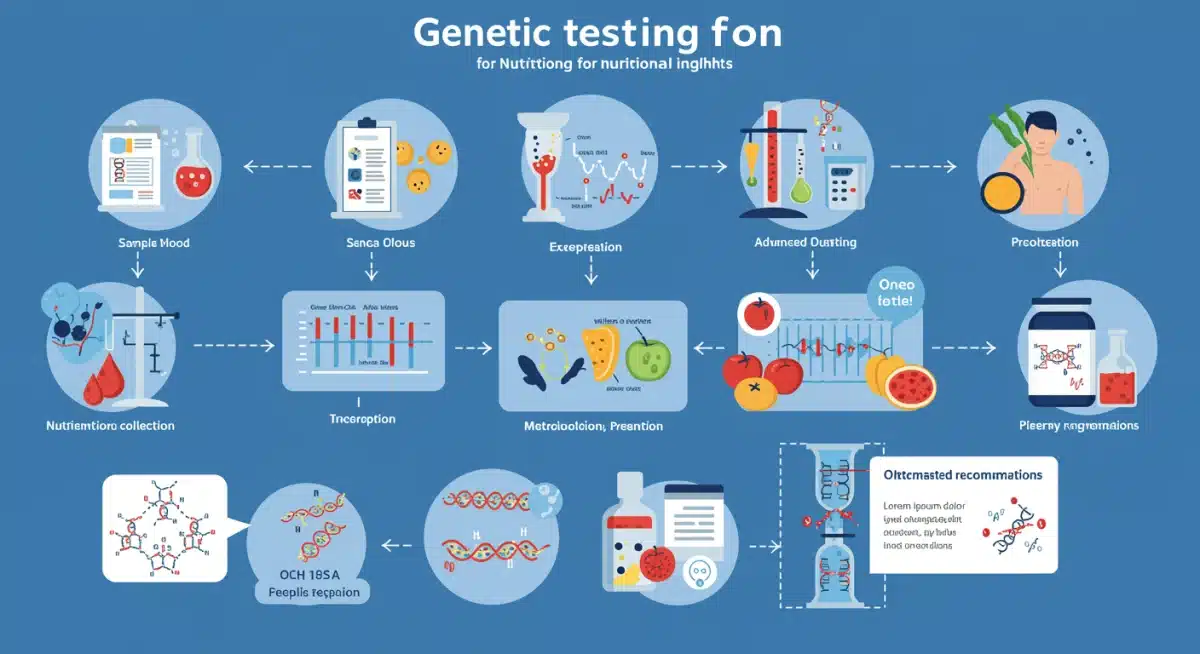

The goal is not just to provide a list of genes, but to offer practical, understandable advice. For example, if your genes indicate a slower metabolism of saturated fats, the report might recommend reducing their intake and focusing on healthier unsaturated fats. If you have a genetic predisposition to lower vitamin B12 levels, increased dietary intake or supplementation might be suggested.
The entire process, from sample collection to receiving your personalized recommendations, is designed to empower individuals with knowledge about their unique genetic makeup. This knowledge then serves as a powerful tool for making informed dietary choices that are truly aligned with their biological needs, moving beyond general dietary advice to a truly bespoke approach to wellness.
Refining Your 2025 Meal Plan with Genetic Insights
Armed with genetic insights, refining your 2025 meal plan becomes a precise, scientific endeavor rather than a trial-and-error process. This data allows for the creation of a dietary strategy that is not only effective but also highly sustainable because it aligns with your body’s innate tendencies. The goal is to optimize your diet by making small, impactful adjustments based on your unique genetic blueprint.
Consider the impact on macronutrient ratios. While general guidelines suggest certain percentages of carbohydrates, proteins, and fats, your genes might reveal an optimal ratio for you. Some individuals may thrive on a higher protein intake, while others might benefit from a diet richer in healthy fats, all dictated by how their bodies process these macronutrients.
Targeted Nutrient Optimization
Genetic testing can highlight specific micronutrient needs or potential deficiencies. For instance, if your genes indicate a reduced ability to convert beta-carotene into vitamin A, you might prioritize preformed vitamin A sources. Similarly, if you have a genetic predisposition for lower folate levels, your meal plan could emphasize folate-rich foods or consider supplementation.
- Enhanced Weight Management: Genetic insights can guide choices on calorie density, macronutrient balance, and exercise types most effective for weight control.
- Improved Energy Levels: By optimizing nutrient intake based on genetic metabolism, individuals often report sustained energy throughout the day.
- Reduced Risk Factors: Tailored diets can help mitigate genetic predispositions to conditions like type 2 diabetes or cardiovascular disease.
- Better Athletic Performance: Athletes can fine-tune their nutrition for recovery, muscle synthesis, and energy production based on genetic markers.
Beyond macronutrients and micronutrients, genetic insights can also inform choices regarding food sensitivities and intolerances. While not a diagnostic tool for allergies, genetic tests can reveal predispositions to certain food reactions, such as lactose intolerance or gluten sensitivity, allowing for proactive dietary adjustments before symptoms become severe.
The refinement of your meal plan in 2025 will be about making smarter, more informed decisions. It’s about moving from generic advice to a highly personalized strategy that maximizes your health potential, enhances your well-being, and makes your dietary efforts more effective and enjoyable. This level of personalization represents a significant leap forward in nutritional science and practical application.
Beyond Weight Loss: Broader Health Benefits
While weight management is a common goal for many seeking dietary changes, personalized nutrition, guided by genetic testing, offers a much broader spectrum of health benefits. Its impact extends far beyond the scale, influencing various aspects of physical and mental well-being. The precision of this approach allows for a holistic optimization of health, addressing underlying biological needs.
One significant area is chronic disease prevention. Many chronic conditions, such as heart disease, type 2 diabetes, and certain cancers, have a strong genetic component. By understanding these predispositions, individuals can adopt dietary patterns specifically designed to mitigate their genetic risks. For example, someone with a genetic susceptibility to inflammation might focus on anti-inflammatory foods.
Optimizing Cognitive Function and Mental Well-being
The link between gut health, nutrition, and brain function is increasingly recognized. Genetic insights can reveal optimal nutrient intake for neurotransmitter production, gut microbiome health, and overall cognitive vitality. A diet tailored to your genes can potentially enhance mood, improve focus, and reduce the risk of neurodegenerative diseases.
- Reduced Inflammation: Tailoring diets to genetic markers can help lower systemic inflammation, a root cause of many chronic diseases.
- Enhanced Gut Health: Understanding genetic predispositions can guide probiotic and prebiotic choices for a thriving gut microbiome.
- Improved Sleep Quality: Specific nutrients and dietary patterns, informed by genetics, can positively impact sleep cycles and overall rest.
- Boosted Immune Response: A genetically optimized diet ensures adequate intake of immune-supporting nutrients, strengthening the body’s defenses.
Furthermore, personalized nutrition can significantly improve energy levels and reduce fatigue. When your body receives the exact nutrients it needs in the right proportions, metabolic processes become more efficient, leading to sustained energy throughout the day. This can lead to greater productivity and an improved quality of life, moving away from the common afternoon slump.
In conclusion, the benefits of personalized nutrition extend far beyond aesthetic goals. It’s about fostering long-term health, enhancing cognitive function, boosting immunity, and improving overall vitality. By leveraging genetic testing, individuals can proactively manage their health, minimize disease risks, and achieve a state of optimal well-being that is uniquely tailored to their biological makeup.
Challenges and Ethical Considerations
While the promise of personalized nutrition through genetic testing is exciting, it’s crucial to acknowledge the challenges and ethical considerations that accompany this rapidly evolving field. As with any powerful technology that delves into our personal biological data, careful thought and regulation are necessary to ensure responsible and equitable application.
One primary challenge is the complexity of genetic interpretation. While certain gene-nutrient interactions are well-established, many are still being researched. The scientific understanding is constantly evolving, meaning that dietary recommendations might need to be updated as new evidence emerges. This requires a commitment to continuous learning and updating from both providers and consumers.
Data Privacy and Security Concerns
Genetic data is inherently personal and sensitive. The collection, storage, and analysis of this information raise significant privacy and security concerns. Individuals must be assured that their genetic blueprint is protected from unauthorized access, misuse, or discrimination. Clear policies and robust security measures are paramount for maintaining trust.
- Accuracy of Tests: Ensuring the reliability and validity of genetic tests from various providers is crucial for accurate dietary advice.
- Over-interpretation: Avoiding the tendency to over-interpret genetic predispositions as definitive outcomes, recognizing that diet and lifestyle also play a significant role.
- Cost and Accessibility: Making personalized genetic testing and nutritional counseling affordable and accessible to a broader population.
- Ethical Guidelines: Developing clear ethical guidelines for how genetic information is used in commercial and clinical settings.
Another ethical consideration is the potential for genetic discrimination, particularly in areas like insurance or employment. While legislation exists to prevent such discrimination, the evolving nature of genetic data means constant vigilance is required. Consumers need to be fully informed about how their data will be used and have control over its sharing.
Furthermore, the commercial landscape of genetic testing for nutrition is still relatively new and unregulated in some aspects. This can lead to varying qualities of service and scientific rigor among providers. Consumers must exercise due diligence, choosing reputable companies that adhere to high scientific and ethical standards, and ideally, offer consultations with qualified professionals.
Addressing these challenges and ethical considerations is vital for the sustainable growth and public acceptance of personalized nutrition. By fostering transparency, ensuring data security, and promoting responsible scientific interpretation, we can harness the full potential of genetic testing to improve health while safeguarding individual rights and privacy.
The Future of Personalized Nutrition: 2025 and Beyond
Looking ahead to 2025 and beyond, personalized nutrition, driven by genetic testing, is poised to become an increasingly integral part of mainstream health and wellness. The technology is rapidly advancing, becoming more affordable, and our understanding of nutrigenomics continues to deepen. This convergence suggests a future where dietary advice is as unique as our fingerprints.
Expect to see a greater integration of genetic data with other health metrics. Wearable technology, continuous glucose monitors, and gut microbiome analyses will likely combine with genetic insights to create an even more granular and dynamic picture of an individual’s nutritional needs. This multi-faceted approach will allow for real-time adjustments to meal plans based on daily activity, stress levels, and even sleep patterns.
AI and Machine Learning in Dietary Personalization
Artificial intelligence (AI) and machine learning (ML) will play a pivotal role in processing and interpreting the vast amounts of data generated by genetic tests and other health trackers. These technologies can identify complex patterns and correlations that might be invisible to the human eye, leading to even more precise and predictive dietary recommendations.
- Dynamic Meal Planning: AI-powered platforms could generate daily meal plans that adapt based on genetic predispositions, real-time physiological data, and personal preferences.
- Advanced Supplementation: Genetic insights will guide the precise dosage and type of supplements needed, moving away from generic multi-vitamins.
- Preventative Healthcare: Proactive dietary interventions based on genetic risk factors will become a cornerstone of preventative medicine.
- Food Industry Innovation: Food manufacturers may start developing products specifically tailored to common genetic profiles or specific nutritional needs.
The accessibility of genetic testing will also expand. As costs decrease and awareness grows, more individuals will opt for these services, leading to a massive increase in genetic data. This larger dataset will, in turn, fuel further research and refine our understanding of the intricate gene-diet interactions, creating a positive feedback loop for scientific advancement.
Ultimately, the future of personalized nutrition is about empowering individuals with unprecedented knowledge and control over their health. It’s about moving towards a preventative, rather than reactive, healthcare model, where diet becomes a highly potent, individualized tool for optimizing well-being and longevity. The journey to a truly personalized meal plan is just beginning, and 2025 marks a significant milestone in this exciting evolution.
Implementing Personalized Nutrition: Practical Steps
Transitioning to a personalized nutrition plan based on genetic testing insights requires a structured and thoughtful approach. It’s not simply about receiving a report; it’s about integrating that information into your daily life in a sustainable way. The key is to start small, make gradual changes, and consult with professionals to ensure proper implementation and understanding.
The first practical step after receiving your genetic nutrition report is to thoroughly review it. Understand what each genetic marker signifies and how it relates to your diet. Don’t hesitate to ask questions if anything is unclear. Many reputable genetic testing services offer follow-up consultations with genetic counselors or registered dietitians to help you interpret your results.
Working with a Registered Dietitian
A registered dietitian (RD) specializing in nutrigenomics can be an invaluable resource. They can help translate complex genetic data into practical, meal-by-meal recommendations. An RD can also help you create a meal plan that considers your genetic predispositions while also factoring in your lifestyle, preferences, allergies, and existing health conditions. Their expertise ensures that your personalized plan is both effective and balanced.
- Gradual Changes: Implement dietary changes slowly to allow your body to adapt and to ensure long-term adherence.
- Meal Planning: Develop a structured meal plan that incorporates your genetic insights, focusing on nutrient-dense foods.
- Tracking Progress: Monitor how your body responds to the new diet, noting changes in energy, digestion, mood, and overall well-being.
- Regular Review: Periodically review your plan with a professional to make adjustments as needed, especially as new research emerges or your health goals evolve.
Furthermore, focus on whole, unprocessed foods. While genetic insights can guide specific nutrient intake, the foundation of any healthy diet remains fresh fruits, vegetables, lean proteins, and healthy fats. Genetic testing refines these choices, helping you select the best options within these categories for your unique body.
Finally, remember that genetic predispositions are not destiny. While your genes provide a roadmap, your lifestyle choices, including diet, exercise, and stress management, play a significant role in your overall health outcomes. Personalized nutrition empowers you to make the most informed choices, giving you a powerful tool to actively shape your health journey. The journey to optimal health is a dynamic one, and genetic insights provide a powerful compass.
| Key Aspect | Brief Description |
|---|---|
| Nutrigenomics Foundation | Studies how genes influence nutrient response and how nutrients affect gene expression. |
| Genetic Testing Process | Non-invasive sample collection, DNA analysis for specific nutritional markers, and expert interpretation. |
| Meal Plan Refinement | Tailoring macronutrient ratios, micronutrient intake, and addressing sensitivities based on genetic insights. |
| Broader Health Benefits | Beyond weight, including chronic disease prevention, cognitive function, and enhanced energy. |
Frequently asked questions about personalized nutrition and genetic testing
The accuracy of genetic testing for nutritional insights depends on the lab and the specific genes analyzed. Reputable services use validated scientific research, but results should always be interpreted in conjunction with lifestyle and health professional advice. It provides predispositions, not definitive diagnoses.
Typically, results can take anywhere from 2 to 6 weeks after your sample is received by the lab. This timeframe allows for proper DNA extraction, analysis, and the generation of a comprehensive, personalized report by experts in nutrigenomics.
Genetic testing provides valuable insights into your body’s unique responses to food, nutrient needs, and predispositions. It offers highly personalized recommendations and guidelines, but it’s not a rigid meal plan. It empowers you to make informed choices, often best refined with a dietitian.
No, personalized nutrition benefits anyone looking to optimize their health, prevent disease, and understand their body better. While athletes and those with specific health concerns can certainly benefit, it’s increasingly being adopted by individuals seeking proactive wellness strategies.
Genetic data is highly sensitive. Reputable companies employ strict security measures and privacy policies to protect your information. It’s crucial to choose providers with clear data usage policies and to understand how your genetic data will be stored and shared before participating in testing.
Conclusion
The advent of personalized nutrition, underpinned by sophisticated genetic testing, marks a pivotal shift in how we approach diet and wellness. Moving beyond generic dietary advice, this scientific methodology empowers individuals to craft meal plans that resonate with their unique biological blueprint, promising a future of optimized health and enhanced well-being. As we move into 2025, embracing these genetic insights will undoubtedly become a cornerstone of proactive and truly individualized nutritional strategies, fostering a deeper connection between what we eat and how we thrive.