Spring 2025: 4 Seasonal Healthy Recipes for Peak Nutrition
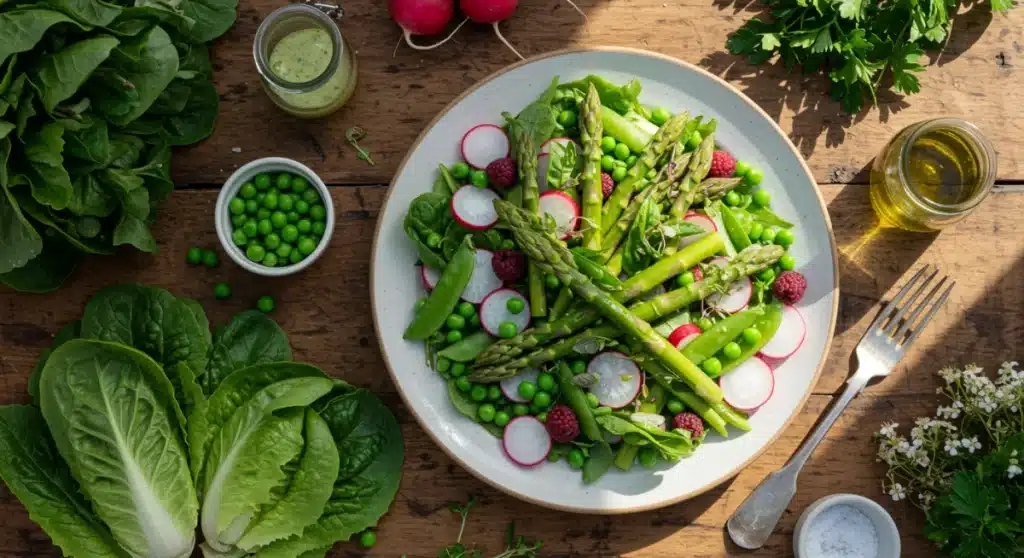
Maximizing your well-being this spring involves embracing time-sensitive, seasonal healthy recipes that leverage the peak availability and nutritional punch of fresh produce for delicious and wholesome meals.
As spring unfurls its vibrant tapestry of fresh produce, there’s no better time to rejuvenate your diet and embrace the bounty of the season. This guide delves into Time-Sensitive: 4 Seasonal Healthy Recipes for Spring 2025 Maximizing Fresh Produce Availability and Nutritional Impact, offering delicious and nutritious ways to incorporate spring’s finest into your daily meals. Prepare to transform your plate with flavors that are both invigorating and deeply nourishing.
Embracing Spring’s Bounty: The Nutritional Edge of Seasonal Eating
Spring truly signals a rebirth, not just in nature but also for our plates. The abundance of fresh produce available during this season offers a unique opportunity to enhance our nutritional intake. Eating seasonally means consuming fruits and vegetables at their peak ripeness and flavor, which often translates to a higher concentration of vitamins, minerals, and antioxidants.
The journey from farm to table is significantly shorter for seasonal produce, minimizing nutrient loss that can occur during prolonged storage and transportation. This freshness is not merely about taste; it’s about maximizing the health benefits each ingredient provides. Furthermore, buying seasonal produce often supports local farmers and can be more cost-effective, making healthy eating accessible and sustainable.
Why Seasonal Matters for Health
- Peak Nutrient Content: Produce picked at its prime contains higher levels of essential vitamins, minerals, and phytonutrients.
- Enhanced Flavor Profile: Ripe, seasonal ingredients naturally taste better, making healthy meals more enjoyable.
- Reduced Environmental Impact: Less transportation and storage mean a smaller carbon footprint.
- Economic Benefits: Seasonal produce is often more affordable due to its abundance and local availability.
Understanding the cycle of seasonal availability empowers us to make smarter food choices that benefit our bodies and the planet. By focusing on what’s naturally abundant, we align our diets with nature’s rhythm, leading to a more balanced and vibrant lifestyle. This foundational principle underpins our approach to crafting healthy and impactful spring recipes.
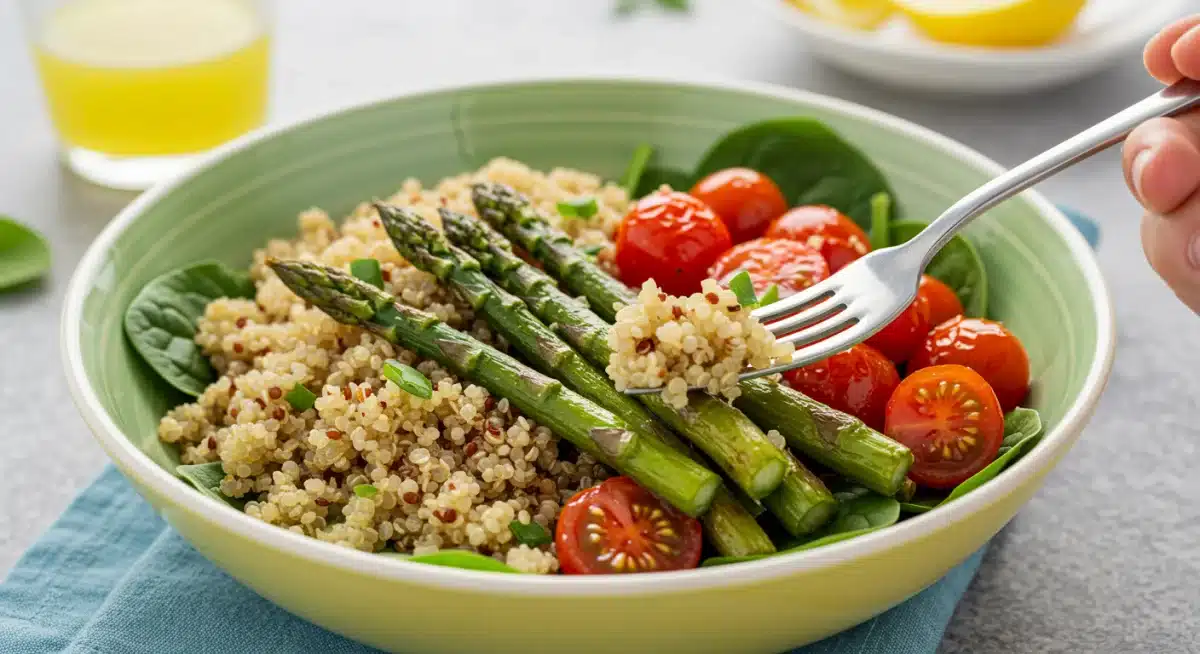
Recipe 1: Asparagus and Lemon Quinoa Salad with Feta
Our first recipe harnesses the crispness of asparagus and the bright zest of lemon, combining them with protein-rich quinoa for a complete and satisfying meal. This salad is not only bursting with spring flavors but also packed with essential nutrients, making it an ideal choice for a light lunch or a vibrant side dish.
Asparagus, a quintessential spring vegetable, is renowned for its delicate flavor and impressive nutritional profile. It’s an excellent source of fiber, folate, vitamins A, C, E, and K, and contains powerful antioxidants. Paired with quinoa, a complete protein, this salad provides sustained energy and supports overall well-being.
Ingredients and Preparation
- 1 cup quinoa, rinsed
- 2 cups vegetable broth or water
- 1 bunch fresh asparagus, trimmed and cut into 1-inch pieces
- 1/2 cup crumbled feta cheese
- 1/4 cup chopped fresh parsley
- Juice of 1 lemon
- 2 tablespoons olive oil
- Salt and black pepper to taste
To prepare, cook quinoa according to package directions using vegetable broth or water. While quinoa cooks, lightly steam or blanch asparagus until tender-crisp. In a large bowl, combine cooked quinoa, asparagus, feta cheese, and parsley. Whisk together lemon juice, olive oil, salt, and pepper, then pour over the salad and toss gently to combine. Serve warm or chilled. This recipe highlights how simple, fresh ingredients can come together to create a profoundly flavorful and nutritious experience.
Recipe 2: Strawberry Spinach Salad with Poppy Seed Dressing
Strawberries are a true hallmark of spring, offering both sweetness and a wealth of health benefits. This delightful salad combines the juicy sweetness of fresh strawberries with the earthy goodness of spinach, creating a harmony of flavors and textures. It’s a perfect representation of how seasonal ingredients can elevate a simple salad into a culinary highlight.
Spinach provides a robust dose of iron, vitamin K, and vitamin A, while strawberries contribute vitamin C, manganese, and a variety of antioxidants. The homemade poppy seed dressing adds a creamy, tangy note that perfectly complements the fresh produce, making this salad an irresistible option for any spring gathering or a refreshing meal at home.
Crafting Your Salad
The key to this salad lies in the freshness of its components. Choose vibrant, firm strawberries and crisp, dark green spinach leaves. Adding toasted pecans or walnuts can introduce a delightful crunch and healthy fats, further enhancing the salad’s nutritional profile and satiety. Red onion, thinly sliced, offers a subtle sharpness that balances the sweetness of the strawberries.
For the poppy seed dressing, a blend of apple cider vinegar, a touch of honey or maple syrup, olive oil, and poppy seeds creates a beautifully balanced flavor. Emulsify the ingredients until smooth, and adjust sweetness and tanginess to your preference. This dressing can be made in advance and stored in the refrigerator, simplifying meal preparation.
- Spinach: A base rich in iron and vitamins.
- Strawberries: Bursting with vitamin C and antioxidants.
- Optional Additions: Sliced almonds, goat cheese, or grilled chicken for added protein.
This strawberry spinach salad is a testament to the power of seasonal eating, delivering a dish that is both visually appealing and incredibly good for you. It encourages creativity in the kitchen, allowing for personal touches while staying true to the vibrant essence of spring.
Recipe 3: Spring Pea and Mint Soup
Few dishes encapsulate the essence of spring as beautifully as a fresh pea and mint soup. This recipe is a celebration of the delicate sweetness of fresh green peas, brightened by the invigorating aroma of fresh mint. It’s a comforting yet light soup, perfect for cooler spring evenings or as an elegant appetizer.
Green peas are a powerhouse of nutrition, offering fiber, protein, and a range of vitamins including C and K. Mint not only provides a refreshing flavor but also aids digestion and offers antioxidant properties. This soup is incredibly simple to prepare, allowing the natural flavors of the seasonal ingredients to shine through without heavy seasonings.
Simple Steps to a Refreshing Soup
Start by sautéing a finely chopped onion and a clove of garlic in a little olive oil until softened. Add fresh or frozen peas and vegetable broth, simmering until the peas are tender. A handful of fresh mint leaves are added just before blending, ensuring their vibrant flavor is preserved.
Once blended to a smooth consistency, season with salt and pepper. A swirl of cream or a dollop of Greek yogurt can be added for extra richness, though the soup is equally delightful in its dairy-free form. Garnish with a few whole peas and a sprig of mint for a visually appealing finish. This soup perfectly illustrates how minimal effort can yield maximum flavor when working with peak-season produce.
- Fresh Peas: The star, providing sweetness and essential nutrients.
- Fresh Mint: Adds a refreshing, aromatic lift.
- Versatility: Enjoy hot or chilled, can be made vegan.
This spring pea and mint soup is a testament to the simplicity and elegance of seasonal cooking. It offers a gentle yet profound flavor experience, reminding us of the fresh beginnings that spring brings. It’s a healthy, satisfying option that nourishes both body and soul.
Recipe 4: Roasted Radishes with Brown Butter and Herbs
Radishes, often relegated to raw salad toppings, reveal a surprising depth of flavor when roasted. Their peppery bite mellows into a subtle sweetness, making them a delightful and unexpected addition to any spring meal. This recipe elevates the humble radish, showcasing its versatility and unique appeal.
Beyond their distinctive taste, radishes are low in calories and rich in vitamin C, contributing to immune health, and contain various antioxidants. Roasting them with brown butter and a medley of fresh herbs like thyme or chives brings out their best, creating a side dish that is both sophisticated and incredibly simple to prepare.
Transforming Radishes Through Roasting
The process begins by washing and trimming the radishes, then halving or quartering them depending on their size. Tossing them with olive oil, salt, and pepper before roasting at a high temperature ensures they caramelize beautifully, developing a tender interior and slightly crisp exterior. The transformation in flavor is remarkable, moving away from their raw pungency to a more mellow, earthy sweetness.
While the radishes roast, prepare the brown butter. Gently melt unsalted butter in a pan over medium heat, swirling occasionally until it turns a nutty brown and develops a fragrant aroma. Be careful not to burn it. Once the radishes are perfectly roasted, drizzle them with the warm brown butter and sprinkle generously with fresh chopped herbs. This simple addition imparts a rich, complex flavor that complements the radishes perfectly.
- Radish Transformation: Roasting mellows their flavor and enhances sweetness.
- Nutrient Boost: High in vitamin C and antioxidants.
- Flavor Enhancement: Brown butter and fresh herbs add depth.
This roasted radish recipe is an excellent example of how simple culinary techniques can unlock new dimensions in seasonal vegetables. It encourages home cooks to experiment beyond typical preparations and discover the full potential of spring’s produce, adding diversity and excitement to healthy eating.
Maximizing Nutritional Impact: Beyond the Recipes
While these four recipes provide a fantastic starting point for your spring culinary adventures, truly maximizing the nutritional impact of seasonal eating involves a broader understanding of food preparation and consumption. It’s not just about what you eat, but how you prepare it and how you integrate it into a balanced lifestyle.
Consider techniques that preserve nutrients, such as steaming or light sautéing, to retain vitamins and minerals that can be lost through overcooking. Pairing certain nutrients together, like vitamin C with iron, can also enhance absorption. Furthermore, incorporating a variety of colorful spring vegetables ensures a broad spectrum of phytonutrients, each offering unique health benefits.
Tips for Enhanced Nutritional Value
- Gentle Cooking Methods: Steaming, light sautéing, and roasting help retain nutrients.
- Nutrient Pairing: Combine vitamin C-rich foods with iron sources for better absorption.
- Variety is Key: Eat a rainbow of spring produce to get diverse phytonutrients.
- Mindful Eating: Pay attention to portion sizes and enjoy your meals without distraction.
Beyond the plate, staying hydrated, getting regular physical activity, and ensuring adequate sleep are all integral components of a healthy lifestyle that complements nutritious eating. The synergy of these elements creates a holistic approach to well-being, where seasonal recipes play a pivotal role in fueling your body with the best nature has to offer.
By consciously choosing seasonal ingredients and applying thoughtful preparation, we can significantly boost our nutritional intake and enjoy the full spectrum of benefits that spring produce provides. This holistic approach ensures that healthy eating is not just a trend, but a sustainable and enjoyable part of daily life.
Sustainable Sourcing and Mindful Eating Practices
The journey to maximizing the nutritional impact of spring produce extends beyond just the recipes; it encompasses how we source our ingredients and our approach to eating. Opting for locally grown, organic produce whenever possible not only ensures peak freshness and nutrient density but also supports sustainable agricultural practices that benefit the environment.
Farmers’ markets are excellent venues for finding seasonal treasures directly from the growers, fostering a connection to where our food comes from. Engaging with farmers can also provide valuable insights into best harvesting times and storage tips, further enhancing the quality of your meals. Mindful eating practices, such as savoring each bite and eating without distraction, can also improve digestion and lead to greater satisfaction from your meals.
Cultivating a Mindful Food Journey
Consider the story behind your food: where it was grown, the effort involved in bringing it to your table, and its journey from seed to harvest. This appreciation can deepen your connection to healthy eating and make it a more enriching experience. Reducing food waste by planning meals and utilizing all parts of your ingredients, like vegetable scraps for broth, also aligns with sustainable practices.
Incorporating herbs grown in a home garden, even a small window box, can provide fresh, flavorful additions to your spring recipes while reducing reliance on store-bought options. This direct access to fresh, vibrant ingredients is a simple yet powerful way to enhance both the taste and nutritional value of your dishes, making healthy eating a more personal and rewarding endeavor.
- Local and Organic: Prioritize produce from farmers’ markets and organic sources.
- Reduce Waste: Plan meals and use all parts of ingredients to minimize food waste.
- Home Gardening: Grow your own herbs or small vegetables for ultimate freshness.
- Mindful Consumption: Eat slowly, savor flavors, and appreciate your food’s journey.
Embracing these sustainable sourcing and mindful eating practices transforms cooking and eating into a more intentional and beneficial activity. It’s about nurturing ourselves and the planet, allowing the vibrant energy of spring to infuse every aspect of our dietary choices.
| Key Point | Brief Description |
|---|---|
| Seasonal Eating Benefits | Higher nutrient content, better flavor, reduced environmental impact, and cost-effectiveness. |
| Recipe Focus | Four healthy spring recipes utilizing peak seasonal produce like asparagus, strawberries, peas, and radishes. |
| Nutritional Impact | Recipes designed to maximize vitamins, minerals, and antioxidants through fresh, seasonal ingredients. |
| Holistic Approach | Emphasizes sustainable sourcing, mindful eating, and balanced lifestyle for overall well-being. |
Frequently Asked Questions About Spring Healthy Recipes
Eating seasonal produce ensures you consume fruits and vegetables at their peak ripeness, when they typically have the highest concentration of vitamins, minerals, and antioxidants. This maximizes their nutritional benefits and often provides superior flavor. It also supports local agriculture and reduces the environmental impact of long-distance transportation.
Key spring vegetables include asparagus (rich in vitamins A, C, E, K, and fiber), spinach (high in iron, vitamin K), peas (good source of protein and fiber), and radishes (packed with vitamin C). These vegetables contribute to various health aspects, from immune support to digestive health and blood clotting.
To enhance the health benefits, consider reducing added fats or sugars, opting for whole grains, and incorporating lean proteins. For instance, use less oil in dressings, swap honey for maple syrup if desired, and add grilled chicken or tofu to salads for a complete meal. Focus on gentle cooking methods to preserve nutrient integrity.
Yes, frozen spring vegetables can be an excellent alternative, especially if fresh options are unavailable or out of season. They are typically flash-frozen at their peak, locking in nutrients. Just be sure to choose plain frozen vegetables without added sauces or excessive sodium to maintain their healthy profile.
When buying, look for vibrant colors, firmness, and fresh aromas. Store leafy greens in a damp cloth or plastic bag in the refrigerator to maintain crispness. Asparagus can be stored upright in a glass of water. Most berries should be washed just before eating to prevent premature spoilage. Proper storage extends freshness.
Conclusion
Embracing the vibrant flavors and nutritional power of spring produce is a rewarding journey for both your palate and your well-being. The four time-sensitive recipes presented—Asparagus and Lemon Quinoa Salad, Strawberry Spinach Salad, Spring Pea and Mint Soup, and Roasted Radishes with Brown Butter and Herbs—offer diverse and delicious ways to integrate seasonal ingredients into your diet. By prioritizing fresh, locally sourced produce and adopting mindful eating practices, you can significantly enhance your nutritional intake, support sustainable food systems, and truly savor the essence of spring in every meal. Let this season inspire a renewed commitment to healthy, flavorful eating that nourishes you from the inside out.