Gut Microbiome & Sports Nutrition: 2025 Insights
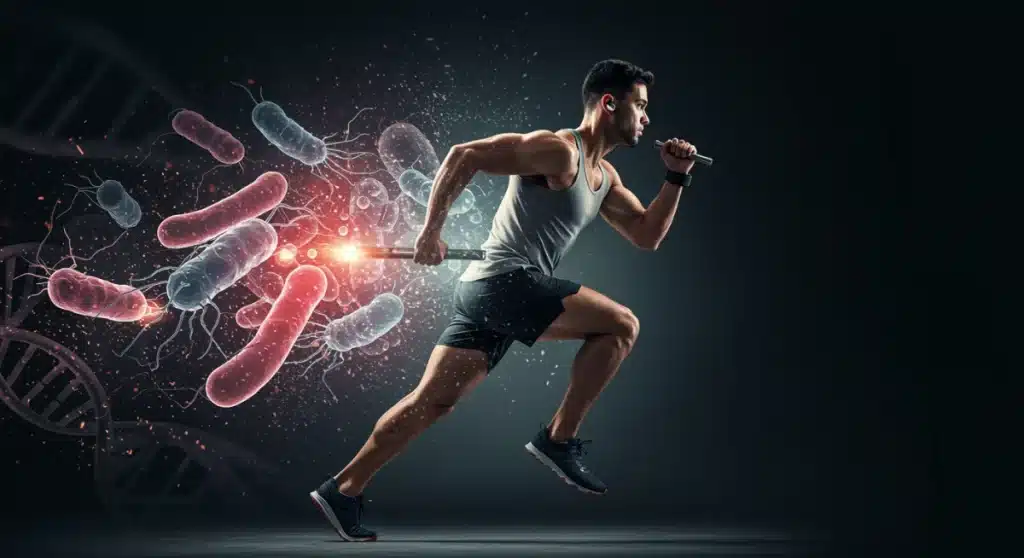
Understanding the profound interplay between the gut microbiome and athletic performance is crucial for athletes seeking to optimize health and performance in 2025, driving new strategies in sports nutrition.
In the dynamic world of athletic performance, continuous innovation in nutrition science is paramount. As we approach 2025, understanding the latest research on gut microbiome and sports nutrition is no longer just a scientific curiosity, but a critical component for athletes aiming to unlock their full potential and achieve peak physical condition.
The Gut Microbiome: An Athlete’s Hidden Advantage
The gut microbiome, a complex ecosystem of trillions of microorganisms residing in our digestive tracts, is increasingly recognized as a pivotal factor in human health and, more specifically, in athletic performance. Recent studies highlight its profound influence on metabolism, energy production, immune function, and even mental well-being, all of which are critical for athletes.
For athletes, a balanced and diverse gut microbiome can translate into tangible benefits, from enhanced nutrient absorption to improved recovery times. Disruptions, often termed dysbiosis, can lead to inflammation, reduced energy, and increased susceptibility to illness, directly hindering performance and training consistency.
Metabolic Efficiency and Energy Production
The microbes in our gut play a crucial role in breaking down complex carbohydrates and fibers that our own enzymes cannot digest. This process yields short-chain fatty acids (SCFAs) like butyrate, propionate, and acetate, which serve as vital energy sources for colon cells and can also be utilized by other tissues, including muscles. For athletes, optimizing SCFA production means more efficient energy utilization during prolonged exercise.
- Butyrate: Supports gut barrier integrity and reduces inflammation.
- Propionate: Involved in glucose production and satiety signaling.
- Acetate: Can be converted to acetyl-CoA, a key intermediate in energy metabolism.
Understanding these metabolic pathways allows athletes to tailor their diets to foster a microbiome that maximizes energy availability, providing a competitive edge. The focus shifts from simply ingesting calories to ensuring those calories are processed optimally by the internal ecosystem.
Immune System Modulation and Recovery
Intense physical training places significant stress on the immune system, often leading to a temporary state of immunosuppression that increases the risk of infections. The gut microbiome is intimately linked with immune function, as a large portion of the body’s immune cells reside in the gut-associated lymphoid tissue (GALT).
A healthy microbiome can help modulate immune responses, reducing exercise-induced inflammation and accelerating recovery. Probiotic interventions, for instance, have shown promise in reducing the incidence and duration of upper respiratory tract infections in athletes, allowing for more consistent training schedules.
In conclusion, recognizing the gut microbiome as an integral component of an athlete’s physiology opens up new avenues for performance enhancement. By nurturing this internal ecosystem, athletes can build a foundation for improved energy, resilience, and overall health, setting the stage for success in 2025 and beyond.
Dietary Strategies for Microbiome Optimization in Athletes
Optimizing the gut microbiome for athletic performance hinges significantly on dietary choices. What an athlete consumes directly influences the composition and function of their gut microbiota. Moving beyond generic healthy eating, specific dietary strategies can be employed to cultivate a thriving microbial community that supports training, recovery, and competition.
The goal is to increase microbial diversity and promote the growth of beneficial bacteria while limiting the proliferation of less desirable strains. This involves a strategic approach to macronutrient and micronutrient intake, focusing on whole, unprocessed foods.
The Role of Prebiotics and Fiber
Prebiotics are non-digestible food ingredients that selectively stimulate the growth and activity of beneficial bacteria in the colon. These are essentially food for your gut microbes, and a cornerstone of a microbiome-friendly diet. Athletes, in particular, can benefit from increased prebiotic intake due to their higher metabolic demands and potential for gut stress.
- Inulin: Found in chicory root, garlic, onions, and asparagus.
- Fructooligosaccharides (FOS): Present in bananas, leeks, and artichokes.
- Resistant Starch: Abundant in green bananas, cooled cooked potatoes, and legumes.
Adequate fiber intake, beyond just prebiotics, is crucial. Dietary fiber provides bulk and promotes regular bowel movements, preventing stagnation that can lead to dysbiosis. Athletes should aim for a diverse range of fiber sources to feed a wide array of gut bacteria.
Incorporating a variety of plant-based foods, including fruits, vegetables, whole grains, nuts, and seeds, ensures a broad spectrum of fibers and other beneficial compounds that support gut health. This dietary diversity is key to fostering a resilient and adaptable microbiome.
Probiotics and Fermented Foods: A Performance Edge
While prebiotics feed existing beneficial bacteria, probiotics introduce live beneficial microorganisms directly into the gut. Both play distinct yet complementary roles in shaping a healthy microbiome. For athletes, the strategic inclusion of probiotics and fermented foods can offer a significant performance edge.
Fermented foods, rich in live cultures, have been a part of human diets for centuries and offer a natural way to boost probiotic intake. These foods not only provide beneficial bacteria but also often contain pre-digested nutrients and unique metabolites that can further support gut health.
Selecting Effective Probiotic Strains
Not all probiotic strains are created equal, and their effects can be highly specific. Athletes should consider strains that have demonstrated benefits for immune function, inflammation reduction, or performance enhancement in clinical trials. For example, certain Lactobacillus and Bifidobacterium strains have shown promise in reducing the incidence of exercise-induced gastrointestinal issues and improving recovery.
- Lactobacillus plantarum: May reduce exercise-induced inflammation.
- Bifidobacterium lactis: Supports immune function, particularly in athletes.
- Multi-strain probiotics: Often offer broader benefits due to synergistic effects.
It’s important to consult with a sports nutritionist or healthcare professional to determine the most appropriate probiotic regimen, as individual needs and responses can vary. The focus should be on evidence-based choices rather than broad-spectrum claims.
Integrating Fermented Foods into the Athlete’s Diet
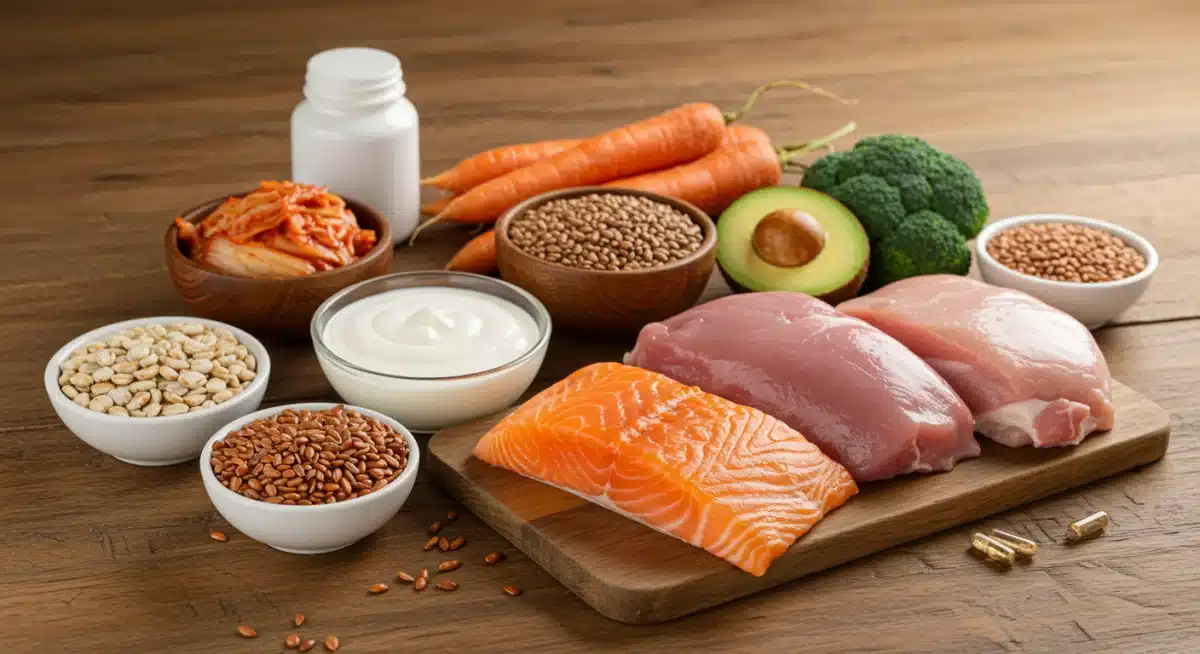
Fermented foods provide a delicious and accessible way to incorporate probiotics. Beyond their probiotic content, many fermented foods are also rich in vitamins, minerals, and enzymes that aid digestion and nutrient absorption. Examples include:
- Yogurt and Kefir: Dairy-based options rich in live cultures.
- Sauerkraut and Kimchi: Fermented vegetables offering diverse microbial strains.
- Tempeh and Miso: Fermented soy products providing protein and probiotics.
Regular consumption of a variety of fermented foods can contribute to a more diverse and resilient gut microbiome, which is particularly beneficial for athletes facing the physiological stresses of training and competition. This integration should be gradual to allow the gut to adapt.
In essence, the strategic use of both probiotics and fermented foods represents a powerful tool in an athlete’s nutritional arsenal. By understanding the specific benefits of different strains and incorporating diverse fermented options, athletes can actively cultivate a gut environment conducive to optimal health and performance.
Impact of Training Load and Stress on Gut Health
The demanding nature of athletic training, particularly high-intensity and prolonged exercise, can exert significant stress on the gut. This physiological stress can lead to changes in gut permeability, often referred to as ‘leaky gut,’ and alterations in the gut microbiome composition, potentially hindering performance and health.
Understanding this intricate relationship is crucial for athletes and coaches to implement strategies that mitigate negative impacts and maintain gut integrity. The goal is to support the gut’s resilience against the rigors of intense physical activity.
Exercise-Induced Gut Dysbiosis
During strenuous exercise, blood flow is redirected from the gastrointestinal tract to working muscles, leading to a temporary reduction in oxygen supply (ischemia). This can damage the intestinal lining, increasing its permeability and allowing bacteria and toxins to leak into the bloodstream. This phenomenon, known as exercise-induced gut dysbiosis, can trigger systemic inflammation and immune responses.
Symptoms can range from mild gastrointestinal distress (nausea, cramping) to more severe issues that impair nutrient absorption and overall well-being. Preventing or minimizing these effects is paramount for consistent training and performance.
- Reduced gut barrier function: Leads to increased permeability.
- Inflammation: Systemic response to bacterial translocation.
- Altered microbial balance: Shift towards less beneficial species.
Mitigating these effects often involves careful pre- and post-exercise nutrition, including adequate hydration and avoiding certain high-fiber or high-fat foods immediately before intense sessions.
Stress Management and Gut-Brain Axis
Beyond physical stress, psychological stress (e.g., pre-competition anxiety) also significantly impacts the gut microbiome through the gut-brain axis. Stress hormones can alter gut motility, secretions, and even the composition of the gut microbiota, creating a vicious cycle where a stressed gut further contributes to mental stress.
Athletes often experience high levels of both physical and mental stress, making them particularly vulnerable to gut-related issues. Therefore, holistic approaches that combine nutritional strategies with stress management techniques are vital for maintaining gut health and optimizing performance.
Techniques such as mindfulness, adequate sleep, and targeted relaxation strategies can indirectly support gut health by reducing systemic stress. This integrated approach acknowledges that the athlete’s well-being is a complex interplay of physical and mental factors, all influenced by the gut.
In summary, the demands of athletic training and competitive stress can challenge gut health. By recognizing these impacts and implementing proactive nutritional and lifestyle strategies, athletes can protect their gut integrity, ensuring it remains a strong foundation for performance rather than a vulnerability.
Personalized Nutrition: Tailoring Approaches for Athletes in 2025
The concept of ‘one-size-fits-all’ nutrition is rapidly becoming obsolete, especially in the nuanced field of sports performance. As we look towards 2025, personalized nutrition, driven by advancements in microbiome analysis and genetic testing, is poised to revolutionize how athletes fuel their bodies and optimize their gut health.
Tailoring nutritional strategies to an individual’s unique gut microbiome profile holds immense potential for unlocking unprecedented levels of performance and well-being. This approach moves beyond general recommendations to highly specific, data-driven interventions.
Microbiome Profiling and Dietary Recommendations
Advanced sequencing technologies now allow for detailed analysis of an individual’s gut microbiome composition. By identifying prevalent bacterial species, their functional capabilities, and potential imbalances, nutritionists can develop highly personalized dietary recommendations. For instance, an athlete with a low abundance of butyrate-producing bacteria might be advised to increase their intake of resistant starches and specific fibers.
- Baseline assessment: Initial profiling to understand the current microbial landscape.
- Targeted interventions: Specific dietary changes or probiotic strains based on profile.
- Monitoring and adjustment: Regular re-evaluation to track progress and refine strategies.
This data-driven approach ensures that nutritional interventions are not just speculative but are precisely aligned with the athlete’s biological needs, maximizing the likelihood of positive outcomes. It’s about feeding the individual, not just the athlete.
Genetic Factors and Nutrient Metabolism
Beyond the microbiome, an individual’s genetic makeup also plays a significant role in how they metabolize nutrients and respond to dietary interventions. Nutrigenomics, the study of how genes interact with nutrients, can provide further insights into an athlete’s predispositions and optimal dietary requirements.
Combining genetic information with microbiome data creates a powerful synergy for personalized nutrition. For example, an athlete with a genetic predisposition to struggle with certain types of fats might also have a microbiome profile that exacerbates this, leading to tailored recommendations that address both factors.
This multi-faceted approach allows for the development of highly specific dietary plans that consider an athlete’s unique biology, genetic predispositions, and microbial ecosystem. It represents the cutting edge of sports nutrition, moving towards truly individualized care.
In conclusion, personalized nutrition, informed by detailed microbiome profiling and genetic insights, is the future of sports nutrition. By understanding and catering to an athlete’s unique internal landscape, we can develop far more effective strategies for optimizing gut health, performance, and overall well-being in 2025 and beyond.
Emerging Research and Future Directions for 2025
The field of gut microbiome research is evolving at an unprecedented pace, with new discoveries constantly reshaping our understanding of its role in sports nutrition. As we look towards 2025, several emerging areas of research hold significant promise for further optimizing athletic performance and health.
These future directions involve more sophisticated interventions, deeper insights into microbial functions, and integrating advanced technologies to translate complex science into actionable strategies for athletes and practitioners.
Postbiotics and Microbiome-Derived Metabolites
Beyond probiotics (live bacteria) and prebiotics (food for bacteria), postbiotics are gaining significant attention. Postbiotics are beneficial compounds produced by microorganisms during fermentation, such as enzymes, peptides, and short-chain fatty acids. These non-living components can exert powerful health benefits, including anti-inflammatory and immune-modulatory effects, without the need for live bacteria.
- Targeted supplementation: Isolating and supplementing specific beneficial metabolites.
- Reduced viability concerns: Postbiotics are stable and do not require refrigeration.
- Broader applications: Potential for use in individuals with compromised immune systems.
Research into specific postbiotic compounds and their direct impact on athletic recovery, inflammation, and energy metabolism is accelerating. This may lead to a new generation of highly targeted supplements for athletes.
Fecal Microbiota Transplantation (FMT) and Athletic Performance
While still in its early stages for performance enhancement, fecal microbiota transplantation (FMT) is an intriguing area of research. FMT involves transferring fecal matter from a healthy donor to a recipient, effectively ‘rebooting’ the recipient’s gut microbiome. This procedure has shown remarkable success in treating certain gastrointestinal conditions and is now being explored for its potential to improve athletic performance by conferring a ‘super-microbiome.’
Early studies suggest that FMT could influence metabolic pathways, improve exercise capacity, and modulate immune responses, though much more research is needed to establish safety and efficacy in healthy athletes. The ethical and practical considerations are also significant.
The future of sports nutrition in 2025 is likely to involve a blend of traditional dietary wisdom with cutting-edge scientific interventions. From precise postbiotic formulations to highly personalized microbiome modulation, the potential to enhance athletic performance through gut health is vast and continuously expanding. Staying abreast of these developments will be key for athletes and support staff seeking a competitive advantage.
Practical Steps for Athletes: Integrating Gut Health into Training
Translating the complex science of the gut microbiome into actionable steps for athletes can seem daunting. However, integrating gut health considerations into a daily training regimen is entirely achievable and can yield significant benefits for performance, recovery, and overall well-being. The key is consistency and a holistic approach.
By focusing on foundational dietary habits, strategic supplementation, and mindful lifestyle choices, athletes can actively cultivate a resilient and performance-enhancing gut microbiome. These practical steps are designed to be sustainable and impactful.
Daily Dietary Practices
The cornerstone of a healthy gut microbiome is a diverse and nutrient-rich diet. Athletes should prioritize:
- Fiber-rich foods: Include a wide variety of fruits, vegetables, whole grains, and legumes daily. Aim for at least 25-35 grams of fiber.
- Fermented foods: Regularly consume yogurt, kefir, sauerkraut, kimchi, or other fermented options to introduce beneficial bacteria.
- Hydration: Adequate water intake is essential for gut motility and nutrient transport.
- Lean proteins and healthy fats: Support overall health and provide essential building blocks without overwhelming the digestive system.
Avoiding highly processed foods, excessive sugars, and artificial sweeteners can also help prevent dysbiosis and inflammation. Small, consistent changes can lead to substantial improvements over time.
Strategic Supplementation and Lifestyle Adjustments
While diet is primary, certain supplements can play a supportive role, especially during periods of intense training or recovery. Probiotic supplements, chosen based on specific needs and scientific evidence, can be beneficial. Omega-3 fatty acids, known for their anti-inflammatory properties, also support gut health.
Beyond nutrition, lifestyle factors are equally important:
- Stress management: Incorporate mindfulness, meditation, or other relaxation techniques to mitigate the impact of stress on the gut-brain axis.
- Adequate sleep: Prioritize 7-9 hours of quality sleep per night, as sleep deprivation can negatively affect gut health.
- Consistent training load: Avoid sudden, drastic increases in training intensity that can overwhelm the gut.
Regular consultation with a sports nutritionist or healthcare provider specializing in gut health can help athletes personalize these strategies and address any specific concerns. The journey to an optimized gut is continuous, requiring attention and adaptation.
In conclusion, integrating gut health into an athlete’s daily routine is a practical and powerful way to enhance performance and resilience. By adopting a diverse, whole-food diet, considering strategic supplementation, and managing lifestyle factors like stress and sleep, athletes can foster a thriving gut microbiome that supports their ambitious goals for 2025.
| Key Aspect | Description for Athletes |
|---|---|
| Microbiome Diversity | Crucial for robust metabolic function, immune support, and resilience against stress. |
| Prebiotics & Fiber | Fuel beneficial gut bacteria, leading to improved energy production and gut integrity. |
| Probiotics & Fermented Foods | Introduce beneficial microbes, enhancing immunity and reducing exercise-induced gut issues. |
| Personalized Nutrition | Tailoring dietary strategies based on individual microbiome and genetic profiles for optimal results. |
Frequently Asked Questions About Gut Microbiome and Sports Nutrition
The gut microbiome profoundly influences athletic performance by impacting energy metabolism, nutrient absorption, immune function, and recovery. A diverse and balanced microbiome leads to more efficient energy production from food, stronger immunity against infections, and reduced inflammation, all crucial for peak athletic condition and consistent training.
Prebiotics are non-digestible fibers that feed beneficial gut bacteria. Athletes can incorporate them by consuming foods rich in fiber such as chicory root, garlic, onions, asparagus, bananas, and whole grains. These help foster a healthy gut environment, improving nutrient utilization and overall gut function vital for athletic demands.
Probiotic supplements can be beneficial for athletes, especially those experiencing gut distress or frequent infections due to intense training. Specific strains can help modulate immune response and reduce inflammation. However, it’s crucial to choose evidence-based strains and consult with a sports nutritionist to ensure they align with individual needs and goals.
Both physical (intense training) and psychological stress can negatively affect an athlete’s gut health. Stress can increase gut permeability, leading to inflammation and dysbiosis. This can manifest as gastrointestinal issues, reduced nutrient absorption, and a compromised immune system, hindering performance and recovery. Stress management is key.
Personalized nutrition for athletes involves tailoring dietary strategies based on their unique gut microbiome profile and genetic makeup. This approach uses detailed analysis to identify specific microbial needs, allowing for highly targeted interventions like particular prebiotics or probiotics, optimizing an athlete’s diet for maximum performance and health benefits.
Conclusion
As we navigate towards 2025, the burgeoning understanding of the gut microbiome’s intricate role in sports nutrition presents an exciting frontier for athletes seeking to optimize every aspect of their performance. From enhancing metabolic efficiency and bolstering immune defenses to accelerating recovery, a healthy and diverse gut microbiome is undeniably a non-negotiable asset. The practical steps outlined, encompassing diverse dietary strategies, strategic supplementation, and holistic lifestyle adjustments, provide a clear roadmap for athletes and practitioners alike to harness this internal ecosystem. By embracing personalized approaches informed by the latest research, athletes can unlock new levels of potential, ensuring that their gut health is a powerful ally in their pursuit of excellence.